On May 22, 1892, Dr. Washington Sheffield introduced the world’s first collapsible toothpaste tube — a tin-based container that solved a universal problem: toothpaste sold in open jars required consumers to share the same communal spoon, a practice that even 19th-century consumers recognized as unhygienic. That single packaging innovation didn’t just change oral hygiene; it created the modern cosmetic and pharmaceutical tube industry.
One hundred and thirty years later, the tube has undergone more material, manufacturing, and sustainability transformations than almost any other everyday product package. The global tube packaging market is expanding from USD 13.76 billion in 2024 to USD 28.14 billion by 2035, and the driving force is no longer just convenience or cost — it is sustainability. This guide traces the full arc of that evolution and maps what it means for manufacturers, distributors, and machinery suppliers today.
1. The Origins of Toothpaste Tube Packaging: A Historical Foundation
The Sheffield Innovation and Early Metal Tubes
Dr. Washington Sheffield’s 1892 breakthrough did not emerge from nowhere. He had been inspired by a simple observation: artists used collapsible tin tubes to store paint — keeping it fresh, portable, and hygienic. Sheffield’s Creme Dentifrice became the first commercial toothpaste packed in a collapsible tube, and the New England Collapsible Tube Company — which Sheffield helped establish — began manufacturing tin-based tubes at scale.
The early formulations used lead and tin alloys to achieve the softness required for collapsible tube walls. Lead was inexpensive, easy to extrude, and naturally malleable — properties that made it ideal for manufacturing but devastating for health, a concern that would not be fully acted upon for another several decades. Pure tin tubes represented a premium alternative, used by pharmaceutical and cosmetic manufacturers who catered to quality-conscious consumers.
Metal tubes became the industry standard for over a century because they solved three critical product protection challenges simultaneously: they were airtight (preventing oxidation of sensitive formulations), they were light-opaque (preventing UV degradation), and they collapsed without allowing air back in — maintaining product freshness from the first squeeze to the last. No packaging material available at the time matched this combination of properties at commercially viable cost.

Metal collapsible tubes — the packaging format that Washington Sheffield introduced in 1892 — dominated the toothpaste and pharmaceutical tube market for over 60 years. (Image: Unsplash)
Early Consumer Adoption and Market Expansion
The cultural impact of the collapsible tube was disproportionate to its mechanical simplicity. Before it existed, toothpaste was sold in porcelain jars with communal wooden sticks or spoons — a format that confined oral hygiene to domestic bathroom routines and made the concept of portable, individual personal care genuinely impractical.
The tube changed this. By the early 1900s, American and European consumers were carrying their own toothpaste — to work, on trains, to hotels. The product’s success was not driven primarily by improved formulation; commercially, the formulation changed relatively little in this period. The market growth was packaging-driven, a dynamic that persists in the cosmetic and personal care industry today: better packaging creates new usage occasions, which creates new market volume.
2. The Shift from Metal to Plastic: Technological Breakthroughs
Why Manufacturers Abandoned Metal Tubes
By the 1940s and 1950s, the long-established dominance of lead and tin tubes was under attack from three directions simultaneously. Health concerns about lead contamination — particularly relevant for children’s toothpaste and pharmaceutical oral preparations — had become impossible to ignore as toxicology research accumulated. Cost pressures were intensifying as post-war consumer goods markets expanded and brands sought lower-cost supply chains. And new polymer materials were becoming commercially available that promised comparable performance at dramatically lower manufacturing cost.
Aluminum tubes — lighter and lead-free — represented a transitional format that addressed the health concerns while retaining the barrier properties that made metal tubes valuable for pharmaceutical applications. They remain commercially important today, particularly in European pharmaceutical markets and premium cosmetic segments, with a sustainability resurgence driven by aluminum’s 100% infinite recyclability.
The Rise of Plastic Tube Materials
The introduction of polyethylene (PE) tubes in the 1950s and early 1960s represented a genuine material science breakthrough for consumer packaging. PE tubes were lighter than aluminum, softer and more squeezable than any metal format, cheaper to produce, and compatible with the emerging high-speed extrusion machinery that enabled mass production at volumes that metal tube manufacturing could not match.
The transition was not without challenges. Early PE tubes reacted with certain toothpaste ingredients — particularly fluoride formulations and some flavoring agents — causing taste contamination and packaging degradation. These compatibility issues drove the development of more sophisticated polymer formulations and multi-layer co-extrusion technologies that would eventually become the basis of modern laminated tube structures.
Polypropylene (PP) offered superior chemical resistance for pharmaceutical applications and became the material of choice for ointment and topical medication tubes where formulation compatibility with the packaging material is a regulatory requirement, not just a commercial preference.
Impact on Machinery and Production Capabilities
The shift to plastic tube production fundamentally transformed the machinery landscape. Metal tube manufacturing required stamping, drawing, and annealing equipment — capital-intensive, slow, and technically complex. Plastic tube extrusion lines were faster, more adaptable, and enabled a new generation of small and mid-scale manufacturers to enter the tube packaging market.
Production speeds that had been measured in hundreds of metal tubes per hour were replaced by plastic extrusion outputs measured in thousands of tubes per hour. Modern tube extrusion machines produce seamless single-layer and multi-layer PE and PP tubes with dimensional consistency that manual metal tube production could never have achieved, at speeds that have made plastic tubes the volume-dominant format across all personal care and pharmaceutical tube segments.
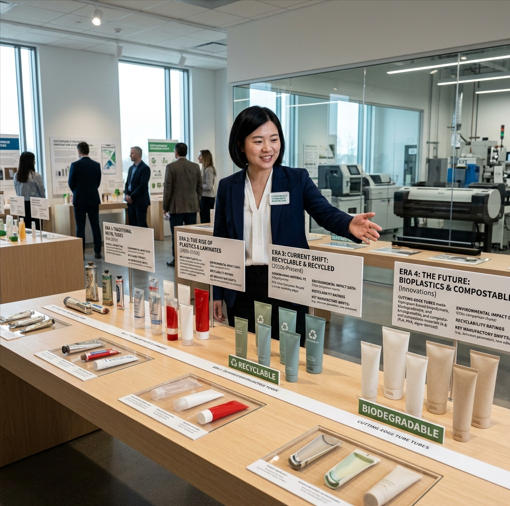
1892 — The Collapsible Tube Revolution
Washington Sheffield introduces tin-based collapsible toothpaste tubes. Oral hygiene becomes portable and personal for the first time. Metal tubes dominate for 60+ years.
1940s–1950s — Aluminum Transition
Lead tubes phased out for health concerns. Aluminum tubes become the pharmaceutical and premium cosmetic standard. Lighter, lead-free, and still offering excellent barrier properties.
1950s–1970s — The Plastic Era Begins
PE and PP tubes capture mass-market share. Extrusion machinery enables high-speed, low-cost production. Plastic becomes the dominant tube material by volume globally.
1980s–2000s — Laminated Tube Technology
Multi-layer ABL (aluminum barrier laminate) and PBL (plastic barrier laminate) tubes solve the barrier limitation of single-layer plastics. Pharmaceutical and cosmetic brands adopt laminates for sensitive formulations.
2010s–Present — The Sustainability Revolution
Consumer demand, retailer requirements, and EU regulation drive rapid adoption of PCR plastics, bioplastics, aluminum refillables, and mono-material recyclable tubes. The market for sustainable tube packaging grows 3–5× faster than the conventional segment.
3. Laminated Tube Technology: The Game-Changer for Product Protection
Understanding Laminated Tube Construction
A laminated tube is not a simple extruded plastic cylinder — it is a precisely engineered multi-layer composite structure where each layer serves a specific functional purpose. Understanding the architecture helps explain why laminated tubes became the standard for sensitive cosmetic and pharmaceutical formulations despite their higher production complexity and cost.
The typical structure of an ABL (Laminado de Alumínio com Barreira) tube from outside to inside: an outer PE layer providing printability and mechanical protection; a graphic layer for decoration; an adhesion layer; an aluminum foil barrier layer (typically 9–30µm) providing oxygen, moisture, and light barrier; another adhesion layer; and an inner PE layer providing chemical compatibility with the product. This composite structure achieves oxygen transmission rates of near-zero and moisture vapor transmission rates that single-layer PE cannot approach.
PBL (Laminado com Barreira Plástica) tubes replace the aluminum foil with a specialized plastic barrier layer — typically EVOH (ethylene vinyl alcohol), a polymer with extremely low oxygen permeability. PBL tubes are lighter than ABL tubes and, critically, easier to recycle in regions with plastic-specific collection infrastructure, making them the preferred format for brands prioritizing recyclability over maximum barrier performance.
📖 Laminated Tube Terminology
- ABL (Laminado de Alumínio com Barreira)
- A multi-layer tube structure incorporating an aluminum foil layer for superior oxygen and moisture barrier. The pharmaceutical and premium cosmetic standard. Highly recyclable as aluminum.
- PBL (Laminado com Barreira Plástica)
- A multi-layer tube structure using a plastic barrier layer (typically EVOH) instead of aluminum foil. Easier to recycle in plastic streams; slightly lower barrier performance than ABL.
- EVOH (Ethylene Vinyl Alcohol)
- A co-polymer used as a barrier layer in PBL tubes. Its crystalline structure creates extremely low oxygen permeability — comparable to aluminum foil in dry conditions.
- OTR (Oxygen Transmission Rate)
- A measure of how much oxygen passes through a material over time. Lower OTR = better barrier = longer product shelf life. Critical for pharmaceutical tubes and sensitive cosmetic formulations.
- PCR (Reciclado Pós-Consumo)
- Plastic material recovered from consumer waste streams, reprocessed, and used in new product manufacturing. PCR content in tube production reduces virgin plastic consumption and carbon footprint.
- PHA (Polyhydroxyalkanoates)
- A family of bioplastics produced by bacterial fermentation of plant-based feedstocks. Genuinely biodegradable in both industrial and home composting conditions — unlike many petroleum-based “biodegradable” claims.
Advantages for Cosmetic and Pharmaceutical Applications
For pharmaceutical tube manufacturers, barrier performance is a regulatory issue, not just a commercial preference. USP packaging standards specify required barrier properties for pharmaceutical primary packaging based on the product’s sensitivity to moisture, oxygen, and light. A topical antibiotic in a single-layer PE tube that provides insufficient oxygen barrier may show chemical degradation within its stated shelf life — a product quality failure with regulatory and liability consequences.
For cosmetic brands, the commercial case for laminated tubes is equally compelling. A premium face cream in a laminated tube with a foil barrier maintains its formulation integrity — fragrance, active ingredient activity, color stability — for 24–36 months versus the 12–18 months typical of comparable single-layer PE tubes. That extended shelf life reduces retailer returns from expired stock, enables longer global distribution timelines, and supports the product efficacy claims that justify premium price positioning.
Manufacturing Innovations Required
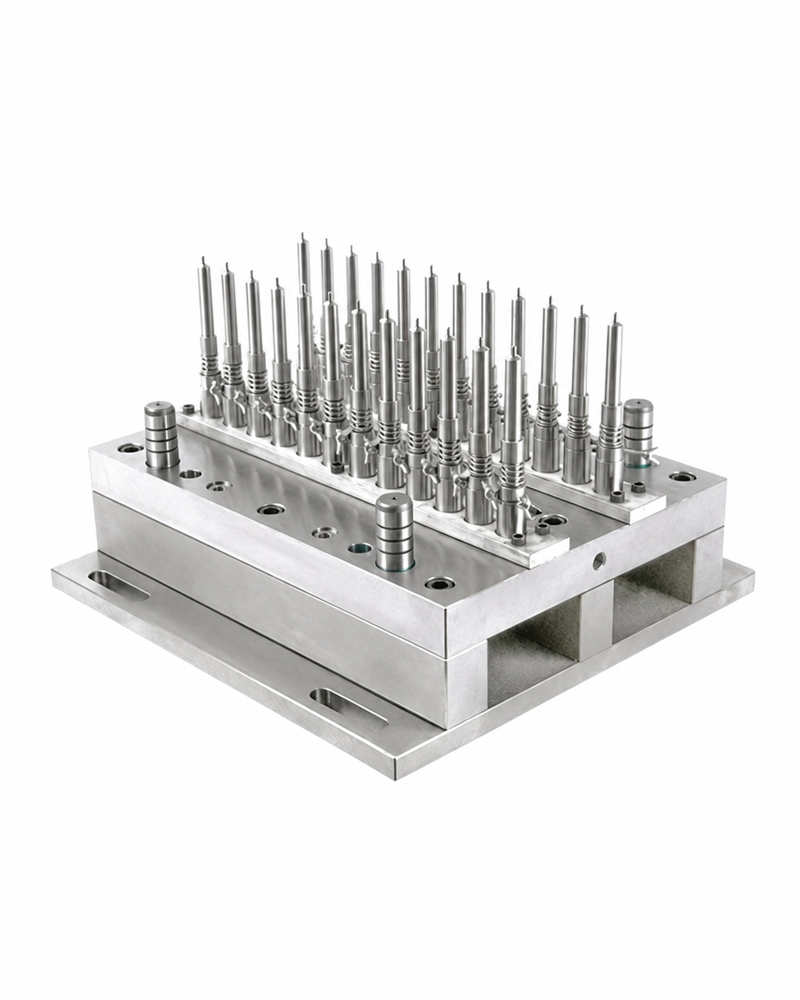
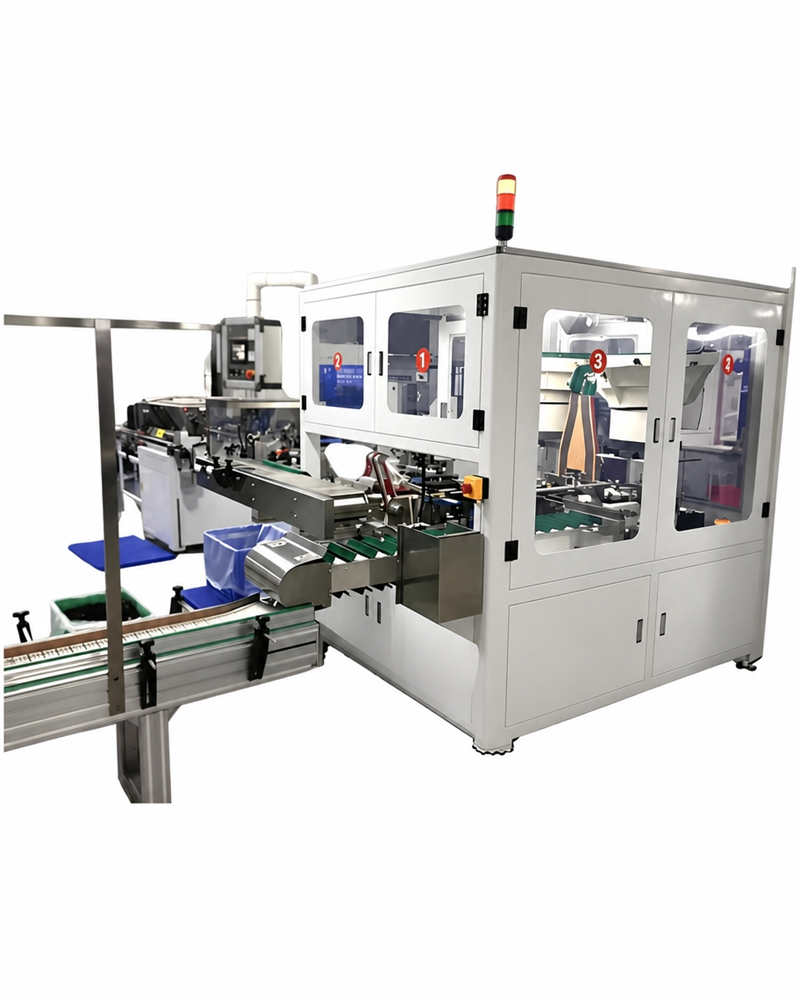
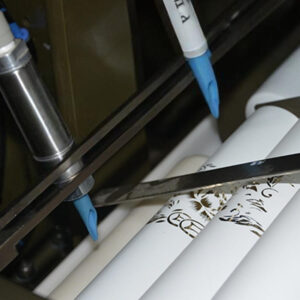
Producing laminated tubes requires fundamentally different machinery from single-layer extrusion. The laminate sheet — supplied as a pre-formed composite web from a laminate manufacturer — is formed into a tube body using ultrasonic welding to create a hermetic side seam, then shoulder-injected and capped in downstream stations. The precision requirements are exacting: weld seam integrity must be maintained across the full laminate layer structure, and the shoulder attachment must create a seal that will withstand the mechanical stress of consumer use for the tube’s full service life.
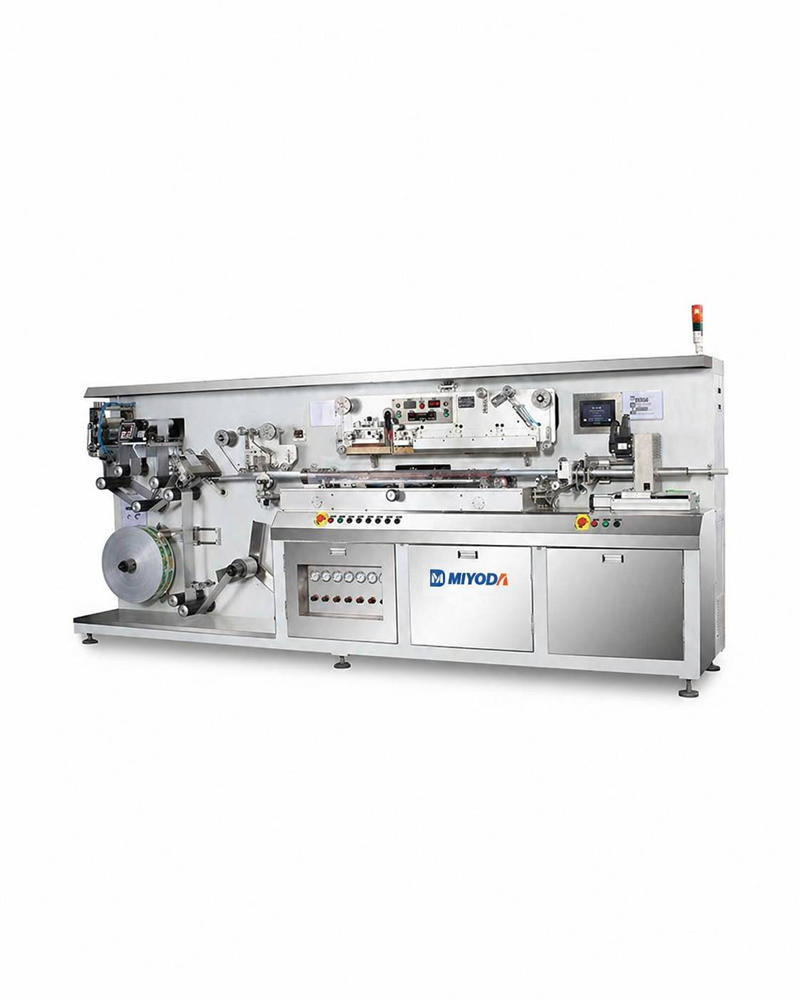
Miyoda Packaging Machinery’s laminate tube making machines handle ABL tubes at production speeds of up to 25 m/min and PBL tubes at 15 m/min, with cutting speeds of 200–250 pieces per minute — performance specifications that reflect the commercial scale requirements of contract manufacturers and brand manufacturers serving major retail customers. The ultrasonic welding technology these machines use produces a seam that achieves equivalent or superior seal strength to conventional heat sealing while enabling the faster cycle times that high-volume tube production demands.

The multi-layer architecture of laminated tubes — with aluminum or EVOH barrier layers sandwiched between PE surfaces — delivers pharmaceutical-grade product protection that single-layer plastics cannot match. (Image: Unsplash)
4. The Sustainability Revolution: Consumer Demand Reshaping the Industry
Growing Eco-Conscious Consumer Base
The sustainability shift in tube packaging is not a niche trend driven by a small activist segment — it is a mainstream commercial reality reflected in purchasing data across demographics. McKinsey’s 2025 global consumer sustainability study found that products making sustainability-related claims averaged 28% cumulative growth over five years compared to equivalent conventional products. Among Gen Z and Millennial consumers — who collectively represent the majority of personal care purchasing decisions globally by 2025 — nearly half (49% of Gen Z, 47% of Millennials) stated a willingness to pay more for eco-friendly packaging.
In practical terms for a toothpaste or cosmetic tube manufacturer, this data means sustainable packaging is no longer an ethical preference — it is a revenue strategy. A brand that can credibly claim sustainable tube packaging commands a pricing premium that more than offsets the typically modest incremental material cost, while the brand equity benefit of environmental positioning creates switching costs that protect market share.
Environmental Challenges of Traditional Tube Materials
The scale of the plastic tube waste challenge is genuinely significant. Global toothpaste consumption alone generates an estimated 1.5 billion toothpaste tubes per year — the vast majority of which end up in landfill because conventional laminated tubes combine materials that current recycling infrastructure cannot efficiently separate. Add cosmetic cream tubes, pharmaceutical ointment tubes, and the broader personal care segment, and the combined volume of tube packaging waste entering landfill annually is measured in millions of metric tons.
The specific recycling challenge with conventional laminated tubes is the multi-material construction: the PE outer layers, aluminum foil barrier, and adhesion layers cannot be separated in standard single-stream recycling systems. The entire tube is either rejected from the recycling stream (and landfilled) or treated as low-value mixed-material waste. This reality has driven the development of mono-material tube designs — where all layers use the same polymer family — as a higher-priority sustainability investment than switching to bioplastics in structures that remain functionally non-recyclable.
Why Manufacturers Must Adapt or Lose Market Share
The competitive dynamics of the sustainable packaging transition are asymmetric: early adopters capture the premium pricing and brand equity benefits, while late adopters face both the cost of delayed investment and the market share loss to competitors who moved first. Major retailers — including Walmart, Carrefour, and Tesco — have established supplier packaging sustainability requirements that create de facto market access barriers for manufacturers who cannot demonstrate a credible sustainable packaging pathway.
The window for “voluntary” transition is narrowing rapidly. Between retailer requirements, consumer preference, and regulatory mandates converging simultaneously, the sustainable tube packaging transition is effectively becoming mandatory across all major global markets within the next 3–7 years. Manufacturers who begin equipment investment and material qualification now are positioning themselves to serve this mandatory transition from a competitive advantage position rather than a compliance scramble.
5. Modern Sustainable Tube Solutions: Materials and Innovations
▶ Watch: Why conventional toothpaste tubes are practically impossible to recycle — and what sustainable alternatives are genuinely solving this challenge.
Bioplastic and Plant-Based Alternatives
PHA (Polyhydroxyalkanoates) represents the most technically mature genuinely biodegradable bioplastic option for tube packaging. Unlike PLA (polylactic acid), which requires industrial composting conditions to biodegrade, PHAs produced by bacterial fermentation of sugarcane, corn starch, or agricultural waste break down in home composting, soil, and even marine environments — making them the only bioplastic material that addresses plastic pollution across all disposal pathways, not just controlled industrial streams.
Performance comparison with conventional PE is increasingly favorable. High-quality PHA formulations match PE in flexibility, squeeze characteristics, and seal integrity — the three properties most critical for tube applications. The remaining commercial barriers are cost (PHAs currently price at 15–30% premium over equivalent PE grades) and processing compatibility (PHA’s narrower processing window requires extruder temperature control and screw design adjustments). Both barriers are diminishing as PHA production scales globally: PHA bioplastics producers project a 40–60% cost reduction within the current decade as production capacity expands.
Plant-based PE — made from sugarcane ethanol rather than petroleum — offers the simplest transition pathway for manufacturers already running PE tube lines. It is chemically identical to fossil-based PE (same molecular structure, same processing parameters, same performance) and uses existing machinery without modification. The environmental benefit is upstream: it replaces fossil carbon feedstock with renewable plant-based carbon, reducing cradle-to-gate carbon footprint by approximately 70%.
Aluminum Tubes: The Sustainable Comeback
Aluminum’s return to prominence in the sustainable packaging conversation is grounded in a fact that many marketers overlook: aluminum is the only packaging material that can be recycled infinitely without any loss of material properties. A recycled aluminum tube can become another aluminum tube — or any other aluminum product — indefinitely. In contrast, recycled plastics degrade in quality with each recycling cycle, eventually becoming unrecyclable waste.
The energy argument for aluminum recycling is equally compelling: recycling aluminum requires only 5% of the energy needed to produce primary aluminum from bauxite ore. For pharmaceutical manufacturers, aluminum tubes also offer a compelling combination of sustainability and regulatory compliance — maximum barrier performance, FDA cGMP compliance for primary packaging, and a credible sustainability story that satisfies both pharmaceutical buyers and ESG-committed parent companies.
Recycled and Recyclable Tube Options
Post-Consumer Recycled (PCR) plastic tubes — made from plastic recovered from consumer waste streams — represent the highest-volume sustainable transition pathway currently available to tube manufacturers. The global PCR plastic packaging market is projected to grow from USD 47.55 billion in 2025 to USD 87.59 billion by 2035 at a 6.3% CAGR, reflecting the depth of market adoption already underway.
The practical challenge with PCR content in tube production is material consistency. PCR plastics have more variable molecular weight distribution and contamination profiles than virgin polymers, which can affect extrusion stability, surface quality, and seal integrity in tube forming processes. Managing these challenges requires either tighter incoming material specifications from PCR suppliers (more costly) or more sophisticated process control on the extrusion line (achievable with modern servo-controlled equipment). Manufacturers running 30–50% PCR content in PE tube extrusion report achieving equivalent tube quality to virgin PE with proper equipment calibration and process parameter optimization.
Minimalist and Refillable Tube Systems
Reducing material usage through thinner walls and lighter designs is the most immediately accessible sustainability improvement for manufacturers: it requires no material change, minimal process adjustment, and delivers direct material cost savings alongside environmental benefit. Modern extrusion equipment with precise wall-thickness control can produce tubes at 15–25% reduced wall thickness compared to tubes produced on older equipment, without compromising seal integrity or consumer squeeze characteristics.
Refillable tube systems — where a premium tube body is purchased once and refilled from a concentrated or bulk format — are gaining commercial traction in premium cosmetic and natural personal care segments. The economic model requires concentrated formulations (to make refilling practical) and premium brand positioning (to justify the higher upfront purchase cost). For contract manufacturers and equipment suppliers, refillable formats create new demand for specialized filling equipment capable of handling highly concentrated, often high-viscosity refill formulations.
Bioplastic / PHA
Genuine biodegradability in soil and marine environments. 15–30% cost premium. Requires processing adjustments.
Best for: Eco-premium brandsAluminum Tubes
100% infinitely recyclable. Maximum barrier. Premium positioning. Pharmaceutically validated.
Best for: Pharma & luxury cosmeticsPCR Plastic
Drop-in on existing lines. 30–50% PCR content achievable. Reduces virgin plastic demand 40–60%.
Best for: Mass-market transitionMono-Material PE
Fully recyclable in PE stream. No material separation required. Compatible with standard collection infrastructure.
Best for: EU PPWR compliance6. Current Market Trends and Consumer Preferences
The Sustainability Premium Market
The “green premium” in tube packaging is real, measurable, and growing. A 2024 consumer survey by Shorr Packaging found that 47–49% of Millennial and Gen Z consumers actively choose brands based on packaging sustainability — a segment that represents the core growth demographic for both cosmetic and personal care categories through 2030. For manufacturers serving brand customers in these categories, the commercial logic is direct: brands that cannot offer sustainable tube options lose shelf placement to brands that can.
The price premium that sustainable tube packaging supports is typically 8–20% above conventional packaging at the product level — meaning a $12 cosmetic cream in a sustainable tube can be priced at $13–$14.40 without consumer resistance, in the right brand and retail context. For the tube manufacturer, this translates to premium pricing on sustainable tube formats and, more importantly, preferential supplier status with brands that have committed to sustainable packaging roadmaps.
Regional Variations in Packaging Preferences
European tube manufacturers face the most immediate regulatory pressure — the EU PPWR mandates recyclability for all packaging by 2030, and many major European retailers have already implemented packaging sustainability scoring systems that effectively penalize non-compliant formats today. German, French, and Scandinavian markets lead adoption, with Southern European markets following approximately 2–3 years behind.
In Asia Pacific, the sustainability transition is market-led rather than regulatory-led in most territories. Premium cosmetic brands targeting Chinese, Japanese, and Korean consumers — where packaging aesthetics and environmental consciousness both carry significant purchase weight — are driving demand for laminated and aluminum tube formats that convey premium quality alongside sustainability credentials. This dual requirement — premium aesthetics AND sustainability — is shaping a market for sophisticated tube formats that differs from the European focus on recycled content and recyclability.
Emerging Tube Design Trends
Beyond material sustainability, three design trends are reshaping the tube packaging landscape. Minimalist aesthetics — clean, uncluttered tube surfaces with limited decoration — are gaining share as consumers associate simplicity with authenticity, quality, and sustainability. For tube manufacturers, minimalist designs reduce decoration cost while paradoxically supporting premium price positioning.
Smart packaging integration — QR codes and NFC (Near-Field Communication) tags embedded in tube labels or caps — enables direct brand-to-consumer digital engagement. The smart packaging market is projected to grow from USD 43.65 billion in 2025 to USD 84.27 billion by 2035 at 6.8% CAGR. For cosmetic and pharmaceutical tube manufacturers, QR codes provide authentication capabilities (anti-counterfeiting), usage guidance linked to digital content, and recycling instruction delivery at the point of disposal — turning the tube itself into a sustainability communication channel.
7. Machinery Requirements for Next-Generation Tube Production

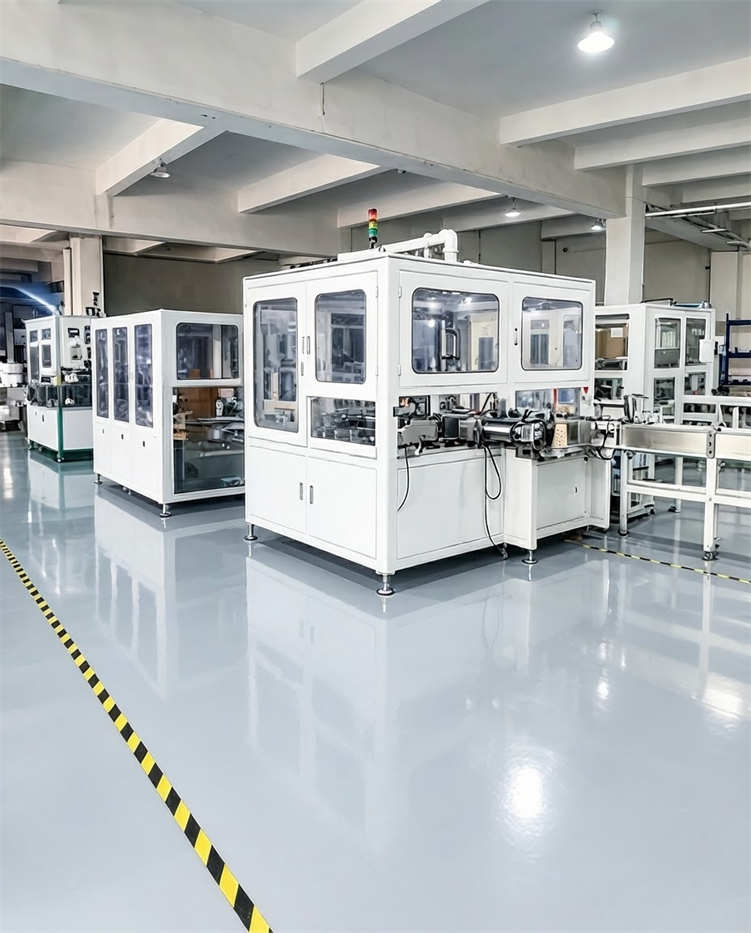
Modern tube production lines for sustainable materials require specialized extrusion, welding, and quality control equipment — not simply retrofitted conventional machinery. (Image: Unsplash)
Essential Equipment for Sustainable Tube Manufacturing
Extrusion Systems for Plastic and Bioplastic Materials
Processing sustainable materials on tube extrusion lines is not simply a material-swap operation. Bioplastics — particularly PHA — have narrower processing windows than conventional PE: a temperature variance of ±5°C that would be acceptable in standard PE extrusion can cause degradation in PHA, producing discoloration, reduced molecular weight, and compromised mechanical properties in the finished tube. This requires extruder barrel temperature control accurate to ±2°C, a specification that most extrusion lines installed before 2015 cannot reliably achieve without significant controls upgrading.
PCR material processing requires different adaptations: higher filtration capacity (to handle the contaminant load inherent in post-consumer material), more robust die designs tolerant of the intermittent gel particles that occur even in specification-grade PCR, and feeding systems that can handle the variable bulk density of PCR pellets without the bridging issues that plague conventional hopper designs.
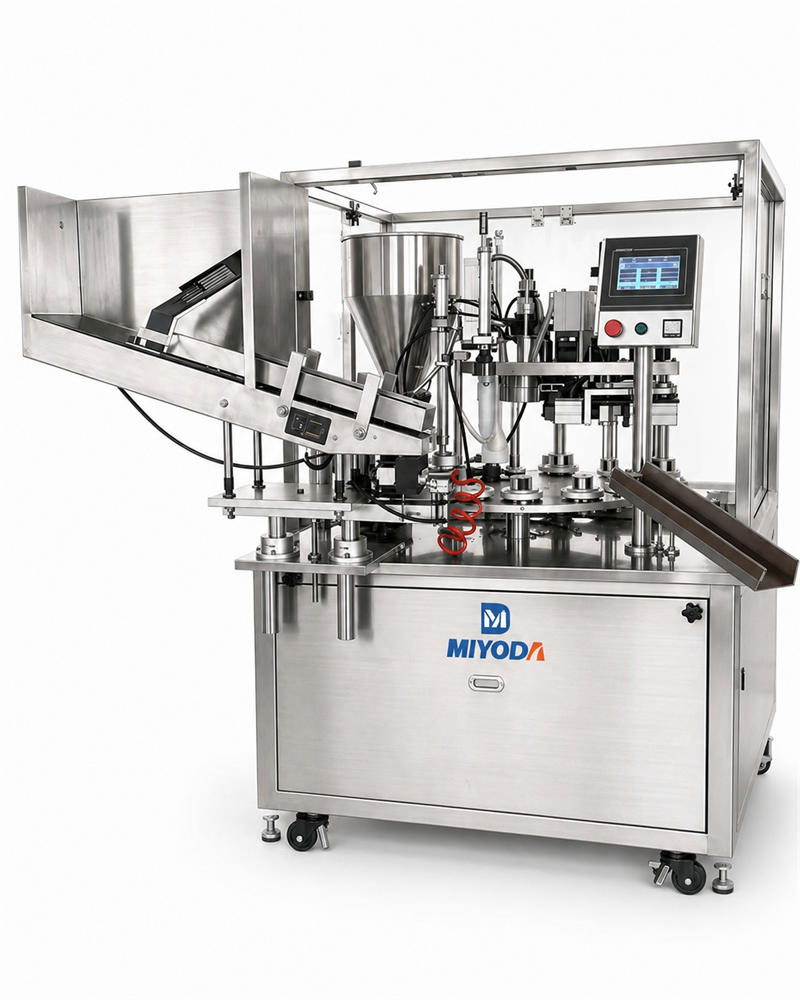
O Miyoda Packaging Machinery tube extrusion line addresses these requirements through multi-layer co-extrusion capability — allowing manufacturers to use PCR material in the inner or outer layers while maintaining a virgin polymer layer for critical surface quality requirements — and precise PLC-based temperature control that meets the processing demands of both conventional and next-generation sustainable materials.
Lamination Equipment for Multi-Layer Barrier Tubes
The laminate tube production line represents the most technically demanding segment of the sustainable tube machinery market — and the highest-growth segment as brands migrate from single-layer plastic to barrier laminates with aluminum or EVOH layers. Key equipment requirements include ultrasonic welding systems capable of achieving consistent seam integrity across ABL and PBL laminate structures, precision shoulder injection systems that achieve hermetic seals at the tube body/shoulder interface without damaging the barrier layer, and integrated quality control vision systems that verify seam quality and dimensional consistency at production speed.
Filling and Sealing Technology
Sustainable tube materials can introduce filling and sealing challenges that conventional PE tube lines were not designed to handle. Thinner-wall eco-design tubes are more susceptible to deformation during filling — requiring filling systems with gentler nozzle insertion profiles. Bioplastic tube bodies may have different thermal characteristics at the sealing zone, requiring temperature profile adjustments on heat-sealing jaws to achieve equivalent seal strength to conventional materials. Manufacturers planning material transitions should engage machinery suppliers early in the process — ideally before material qualification — to ensure equipment compatibility is assessed and any required adjustments are made proactively rather than reactively during production startup.
Investment Considerations for Manufacturers
| Investment Scenario | Estimated Capex Range | Typical ROI Timeline | Best Suited For | Principais riscos |
|---|---|---|---|---|
| Retrofit existing PE line for PCR | $50,000–$150,000 | 12–24 months | Established manufacturers with mid-age equipment | Material consistency variation |
| New PE extrusion line (bioplastic-ready) | $300,000–$800,000 | 24 a 36 meses | Mid-scale manufacturers entering sustainable segment | PHA cost premium short-term |
| Complete laminate tube production line | $500,000–$1.5M | 30–48 months | Contract manufacturers targeting pharmaceutical segment | High capex; requires stable demand base |
| Aluminum tube line (sustainable comeback) | $400,000–$1.2M | 24–42 meses | Premium cosmetic & pharmaceutical manufacturers | Strong regulatory tailwinds |
| Full sustainable production ecosystem | $1.5M–$3M+ | 36–60 months | Large-scale manufacturers / new greenfield facilities | First-mover advantage in sustainable segment |
8. Regulatory Landscape and Compliance Standards
Global Packaging Regulations and Standards
The regulatory environment for tube packaging is becoming simultaneously more complex and more stringent across all major markets. For manufacturers with global distribution — a common position for cosmetic and pharmaceutical tube producers — compliance requires navigating requirements that are not yet harmonized and in some cases actively contradict each other in terms of preferred packaging approaches.
O EU Packaging and Packaging Waste Regulation (PPWR) 2025/40, which entered into force in February 2025, is the most comprehensive and immediately impactful regulatory development. Its key requirements for tube manufacturers include: all packaging recyclable by 2030; mandatory recycled content percentages by packaging category; restrictions on substances of concern (including certain adhesives and colorants currently used in laminated tube constructions); and extended producer responsibility (EPR) obligations for brands and manufacturers placing packaging on EU markets.
In the United States, FDA regulations under 21 CFR 211 govern pharmaceutical tube packaging materials, with specific requirements for material compatibility, extractables testing, and container closure system validation. The FDA’s approach to sustainable pharmaceutical packaging materials is evolving — bioplastics and PCR materials in pharmaceutical primary packaging require the same validation process as any new packaging material, which adds 6–18 months to the material qualification timeline compared to cosmetic applications.
Sustainability Certifications and Eco-Labels
Key Certifications for Sustainable Tube Manufacturers
Relative market importance weighting based on industry survey data and certification adoption rates among cosmetic and pharmaceutical tube manufacturers, 2024.
ISO 14001 Environmental Management System certification is the foundational sustainability credential for tube manufacturers, demonstrating that the organization has systematic processes for environmental impact management, regulatory compliance, and continuous improvement. For pharmaceutical tube manufacturers, ISO 14001 complements rather than replaces ISO 15378 pharmaceutical packaging GMP certification.
Cradle to Cradle Certification — which assesses products across material health, material reutilization, renewable energy use, water stewardship, and social fairness dimensions — is increasingly requested by premium cosmetic brand customers as a supplier qualification requirement. It is more demanding than single-dimension certifications and more credible with sustainability-literate consumers and procurement teams.
Future Regulatory Trends Affecting Production
Three regulatory developments warrant particular attention from tube manufacturers planning 5–10 year investment horizons. Extended Producer Responsibility (EPR) schemes — where manufacturers bear financial responsibility for end-of-life collection and recycling of their packaging — are expanding from Europe to emerging markets, creating an ongoing cost for non-recyclable tube formats that will progressively erode their cost advantage over recyclable alternatives. Carbon footprint reporting mandates — required in the EU under the Corporate Sustainability Reporting Directive (CSRD) — will require manufacturers to measure and disclose the carbon footprint of their products, including packaging, creating commercial pressure to reduce the packaging carbon intensity as a supply chain sustainability metric. Substance restriction expansions — targeting PFAS, certain plasticizers, and specific colorants in food-contact and cosmetic packaging — are narrowing the formulation options available to laminated tube designers and driving reformulation of adhesives and barrier coatings.
9. Strategic Advantages for Machinery Suppliers and Distributors
Positioning Your Business in the Sustainability Shift
For machinery suppliers and distributors serving the cosmetic and pharmaceutical tube production market, the sustainability transition represents the most significant demand-creation event since the original shift from metal to plastic tubes. Every manufacturer who needs to transition to sustainable materials needs to evaluate their equipment — and most will need to upgrade or replace it. The question for machinery suppliers is not whether this transition creates opportunity, but how to be positioned as the preferred partner when customers begin making investment decisions.
The most effective positioning strategy is expertise-led. Manufacturers evaluating sustainable material transitions need guidance that extends well beyond machine specifications: they need to understand how different sustainable materials will perform on their specific equipment configurations, what process parameter adjustments their current lines require for PCR or bioplastic processing, and what the realistic production efficiency and quality outcomes will be on different material/machine combinations. Distributors and machinery suppliers who can provide this technical guidance — backed by documented experience with actual production trials — command significantly higher customer trust and conversion rates than those competing purely on price and specification sheets.
Building Partnerships with Forward-Thinking Manufacturers
The most commercially valuable manufacturer customers for machinery suppliers in the current market are those who have committed to sustainability roadmaps — typically because they supply major brand customers who have made public sustainability commitments with defined timelines. These manufacturers are not evaluating sustainable machinery as a speculative investment; they have confirmed contracts that require sustainable tube production capability by specific dates. Identifying these manufacturers — through brand customer sustainability announcements, retailer supplier program communications, and industry publication tracking — and approaching them with comprehensive solution packages rather than individual machine offers creates the conditions for multi-system, multi-year business relationships.
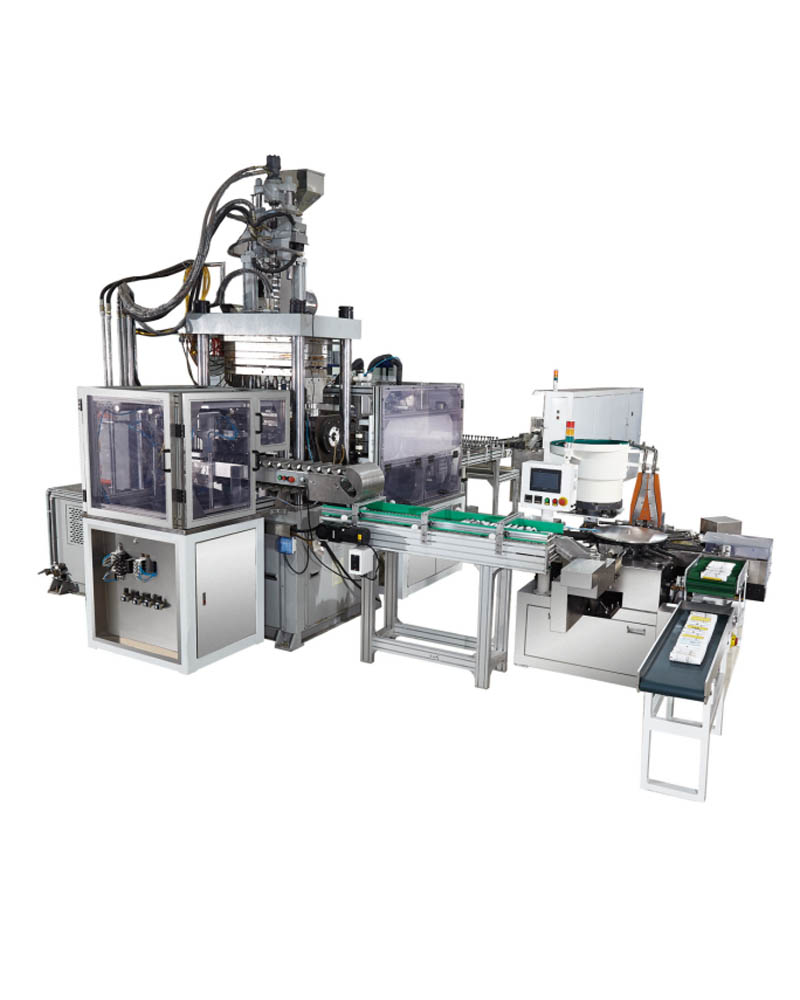
Máquinas de embalagem Miyoda approaches this partnership model through comprehensive production line solutions — combining extrusion, lamination, decoration, filling, and capping systems into integrated production ecosystems — rather than selling individual machines. This approach aligns with what transitioning manufacturers actually need: not a single piece of new equipment, but a complete production capability that delivers consistent sustainable tube output across all quality and compliance dimensions.
Service and Support as Competitive Advantages
In sustainable material transitions, the post-sale support phase is often more commercially critical than the sale itself. A manufacturer running their first PHA bioplastic production campaign will encounter processing challenges that their operators have never seen before — material behavior differences, unexpected quality variations, unfamiliar failure modes. The machinery supplier who is accessible, responsive, and technically capable during this transition earns loyalty that no competitor can dislodge through price undercutting. The machinery supplier who provides a machine and a manual but is unavailable when production challenges arise loses that account permanently — and generates damaging word-of-mouth in a market where manufacturer networks share supplier experience actively.
10. The Future of Toothpaste and Cosmetic Tube Packaging

The convergence of AI-driven quality control, smart packaging technology, and advanced sustainable materials is defining the next decade of tube packaging innovation. (Image: Unsplash)
Emerging Technologies on the Horizon
AI-driven quality control is transitioning from an advanced feature of high-spec production lines to a standard element of modern tube manufacturing. Machine vision systems trained on neural network models detect defects — seam failures, wall thickness variations, print misregistration, surface contamination — at 99.5%+ accuracy and production speeds of 200–400 units per minute, far exceeding the statistical coverage and accuracy of manual sampling inspection. For pharmaceutical tube manufacturers who need to document 100% inspection of every tube produced, integrated AI quality systems are transitioning from competitive advantage to compliance requirement.
Nanotechnology applications in barrier coatings represent the most technically ambitious near-term innovation in tube material science. Nano-clay and nano-silicate barrier coatings — applied to PE or paper tube substrates as nanometer-thick layers — can achieve oxygen and moisture barrier performance approaching aluminum foil, using a fraction of the material and maintaining the single-material recyclability that aluminum laminate structures cannot offer. Commercial deployment is 3–7 years away for most tube applications, but the technical capability is established and the investment community is actively funding scale-up.
Predictions for the Next Decade
By 2035, the tube packaging landscape will look fundamentally different from today’s across three dimensions. Material composition: single-layer conventional PE tubes will represent a small minority of new production in developed markets, replaced by PCR blends, bioplastics, mono-material recyclable laminates, and aluminum formats — driven by a combination of EU regulatory mandates, retailer sustainability requirements, and consumer preference shifts that have already crossed the mainstream threshold. Production intelligence: AI-integrated production lines with autonomous quality management, predictive maintenance, and real-time sustainability metrics reporting will be the operational standard — not the premium option. Business model: brands’ tube packaging decisions will increasingly reflect circular economy principles — designing for recyclability, building refillable systems into premium product architectures, and leveraging packaging as a direct sustainability communication channel via smart packaging integration.
Preparation Strategies for Industry Players
Manufacturers who position themselves well for this future share four operational characteristics: they invest in flexible production systems — modular machine architectures that can process multiple material types on the same line without complete replacement; they build regulatory monitoring capability — dedicating resources to tracking packaging regulation development in all target markets rather than reacting to enacted regulations; they develop internal material science competency — understanding the processing characteristics of next-generation sustainable materials before they need to run them at production scale; and they cultivate equipment supplier partnerships that include collaborative development agreements for next-generation material processing.
For distributors and agents in the tube machinery market, the sustainable packaging transition creates a multi-year growth opportunity that is larger than any single product cycle change. The manufacturers who are your customers today need guidance, equipment, and ongoing support through the most significant material transition in the industry’s history. Serving them well through this transition — with technical expertise, comprehensive solutions, and reliable after-sales support — is the clearest path to building the long-term business relationships that sustain growth through multiple technology cycles.
Why Sustainable Tube Innovation Matters Now
From Washington Sheffield’s tin tube in 1892 to today’s bioplastic and aluminum comeback, the history of toothpaste tube packaging is the history of innovation responding to evolving human needs — hygiene and convenience first, then cost and scale, then barrier performance, and now sustainability and responsibility. Each transition created commercial winners from the manufacturers and machinery suppliers who moved early, and commercial losers from those who waited until the transition was complete before responding.
The sustainability transition is the most consequential in the industry’s 130-year history — not because the technical challenges are greater than those of moving from metal to plastic, but because the drivers are more powerful and more diverse: regulatory mandates, consumer preference shifts, retailer requirements, and investor ESG expectations are all converging simultaneously on the same outcome. Sustainable tube packaging is not becoming dominant; it has already become the expected standard in premium markets and is rapidly becoming the expected standard in mass markets.
The manufacturers, distributors, and machinery suppliers who are building sustainable production capability now — investing in flexible extrusion systems, qualifying PCR and bioplastic materials, deploying laminate tube lines capable of aluminum and mono-material formats, and building the technical expertise to support their customers through the transition — are not ahead of the market. They are exactly at the right place at the right time, positioned to serve a $28 billion market that is growing toward $56 billion and increasingly defined by sustainability as its central competitive dimension.
For a detailed discussion of how A linha completa de linhas de produção de tubos da Miyoda Packaging Machinery can support your sustainable packaging transition — from extrusion through lamination, decoration, filling, and capping — our engineering and commercial team is available for facility-specific consultations with no obligation. The conversation about your sustainable packaging future starts with a frank assessment of where your current equipment stands relative to the materials and formats your market will require. We make that assessment straightforward.
🌿 Ready to Transform Your Tube Production for the Sustainable Future?
Contact our machinery solutions team today for a free consultation on custom equipment assessments, transition plans to sustainable tube manufacturing, financing options, and technical training programs.
Schedule Your Free Consultation →Discover how modern soft tube production equipment increases profitability while meeting consumer demand for sustainable packaging. Trusted by 500+ manufacturers worldwide.