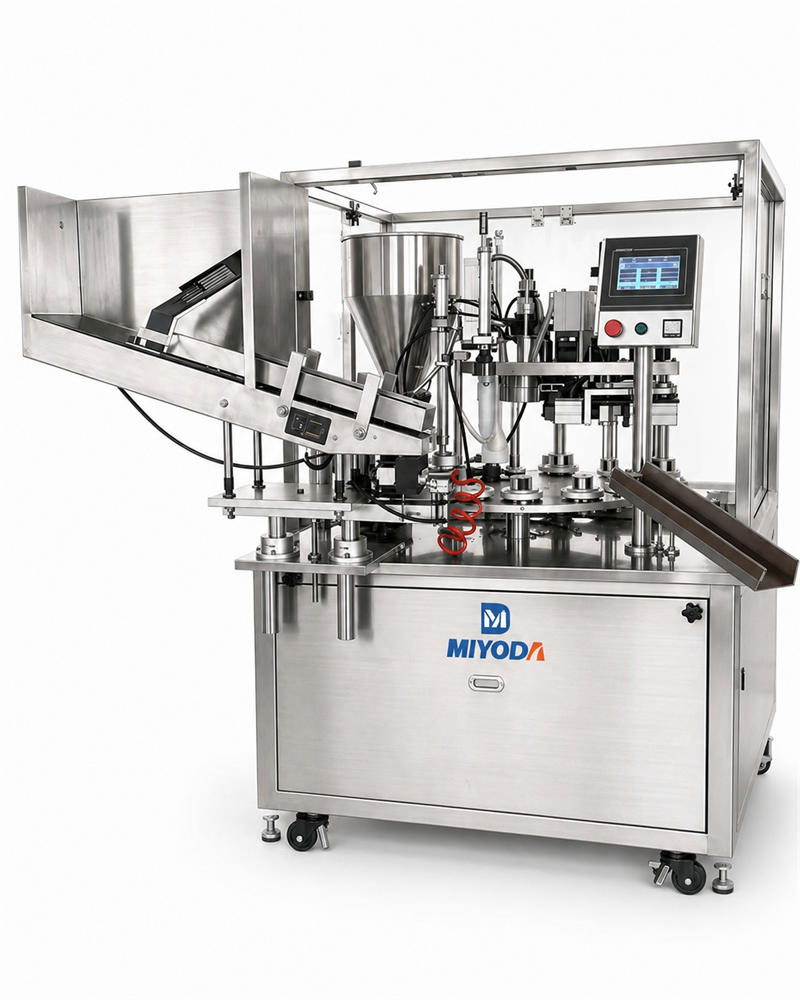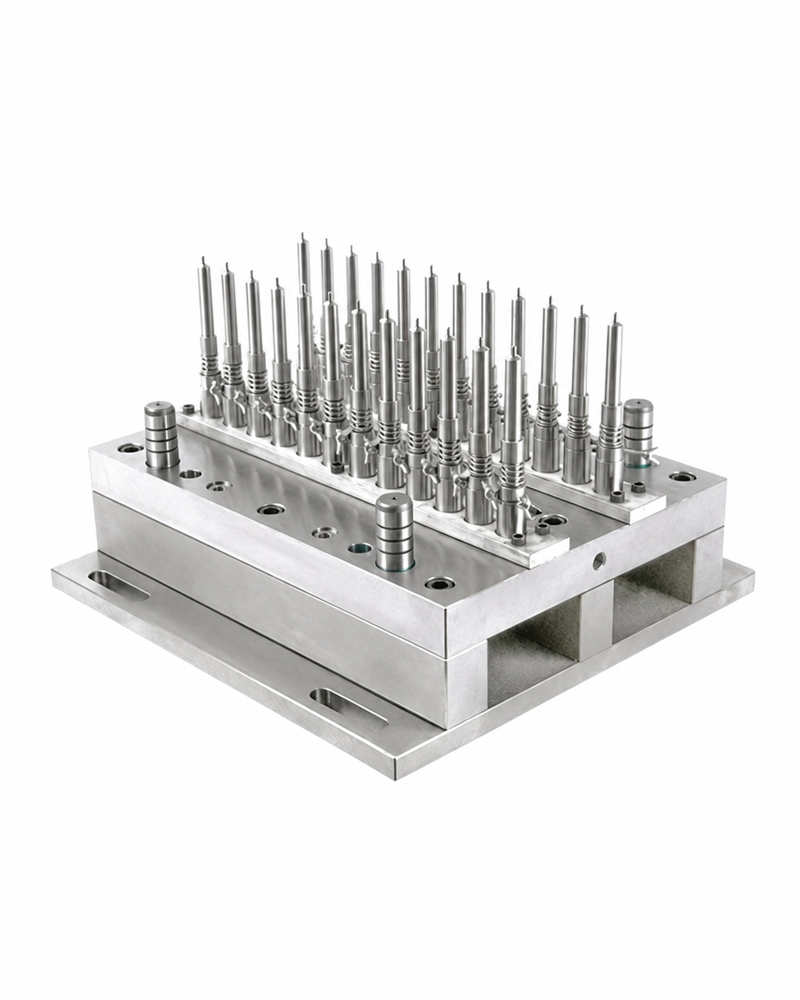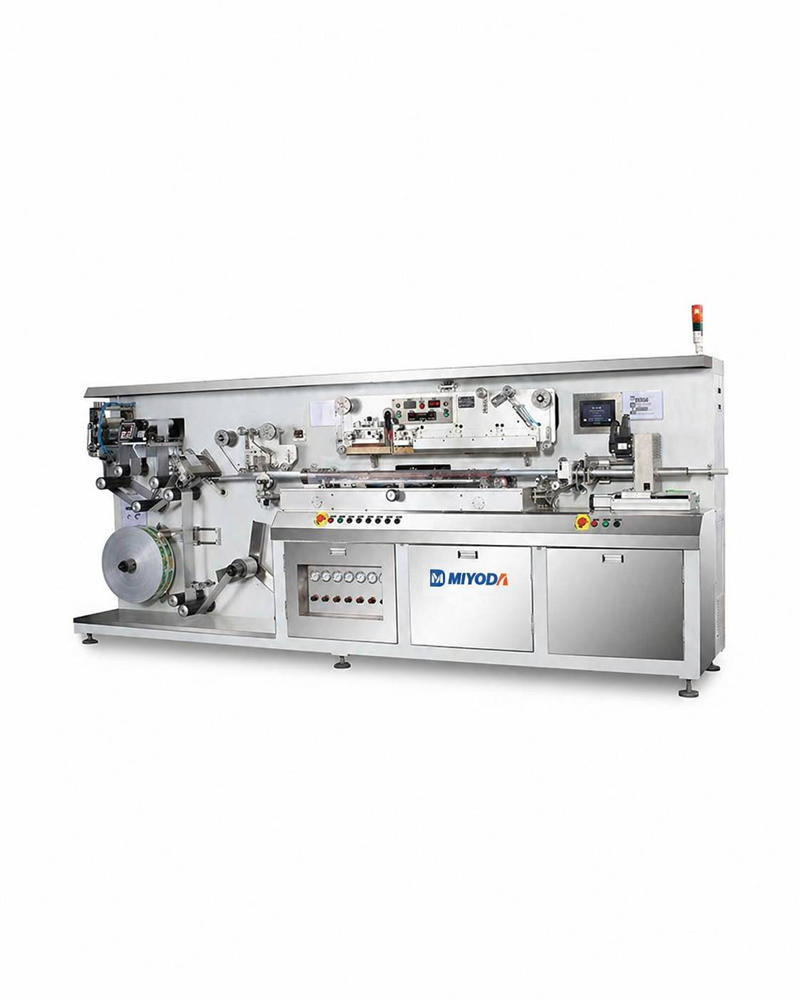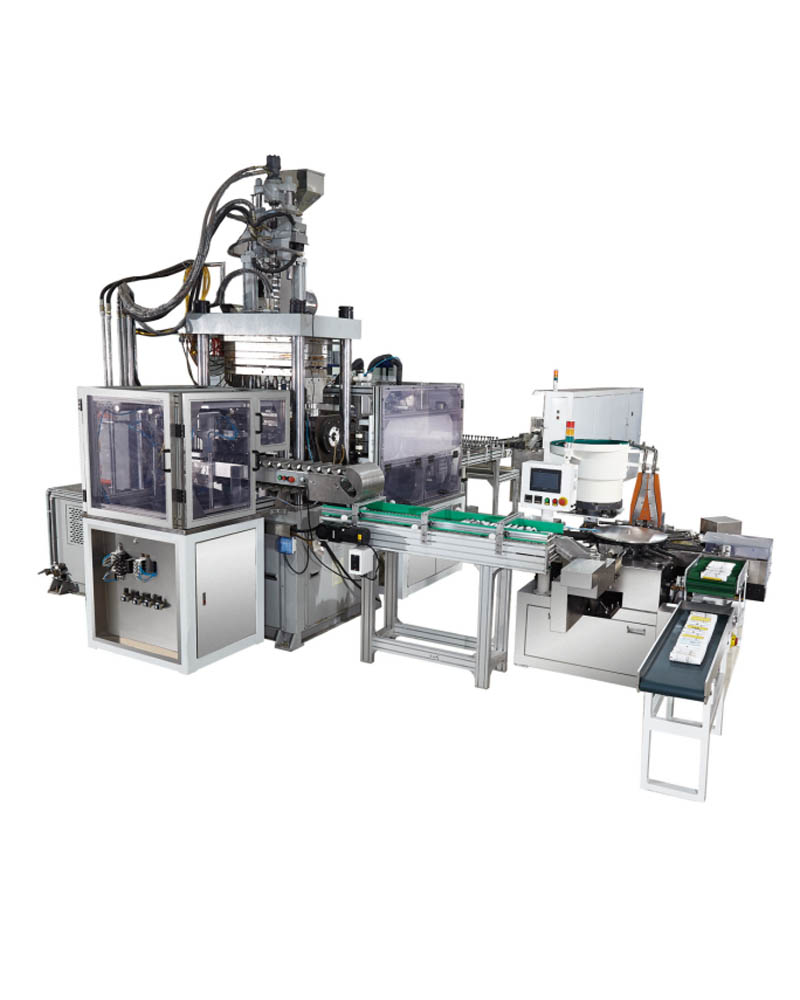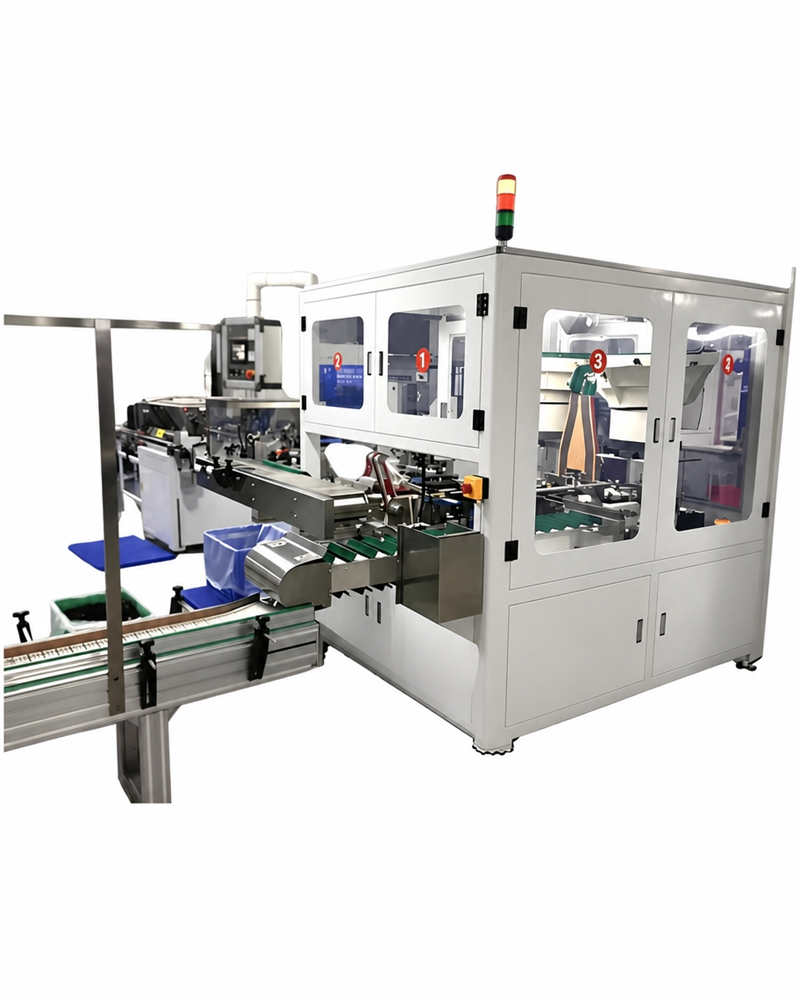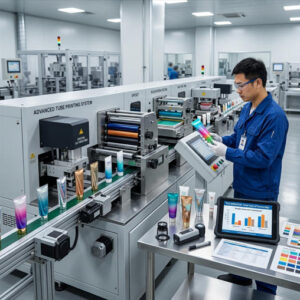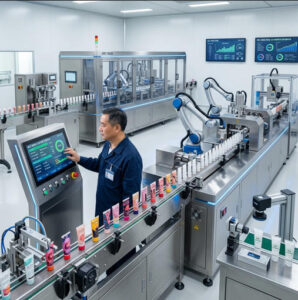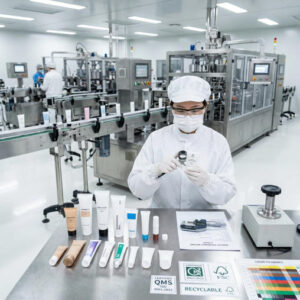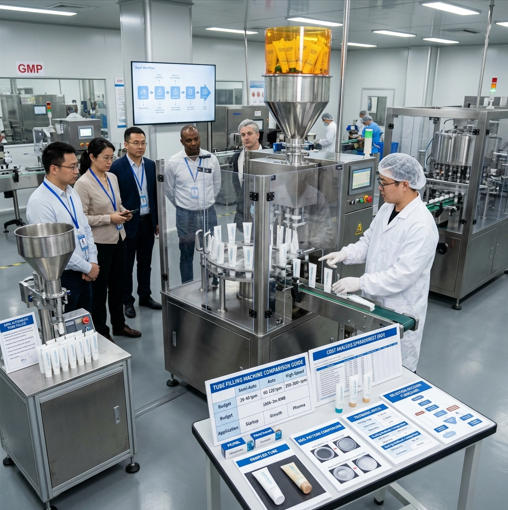
Squeeze a tube of sunscreen, antibiotic ointment, or toothpaste — and you’re interacting with the output of a tube filling and sealing machine. These machines take empty tubes, fill them with precision-measured product, seal the tail end into a leak-proof closure, apply batch codes, trim the excess, and discharge finished units — all in a continuous, automated sequence.
For cosmetic brands managing 10–20 SKUs and pharmaceutical manufacturers operating under GMP (Good Manufacturing Practice) conditions, selecting, operating, and maintaining the right tube filling and sealing machine is one of the most consequential operational decisions they’ll make. Get it right, and your production line runs at 95%+ efficiency with consistent fill weights and zero contamination events. Get it wrong, and you’re dealing with sealing defects that cause product returns, regulatory warnings, and costly line stoppages.
This guide covers every layer of the decision — from machine types and working principles to selection criteria, maintenance schedules, and the compliance frameworks that govern pharmaceutical applications. Whether you’re a startup cosmetic brand assessing your first machine purchase or a distributor evaluating supplier options, this is the reference you need.
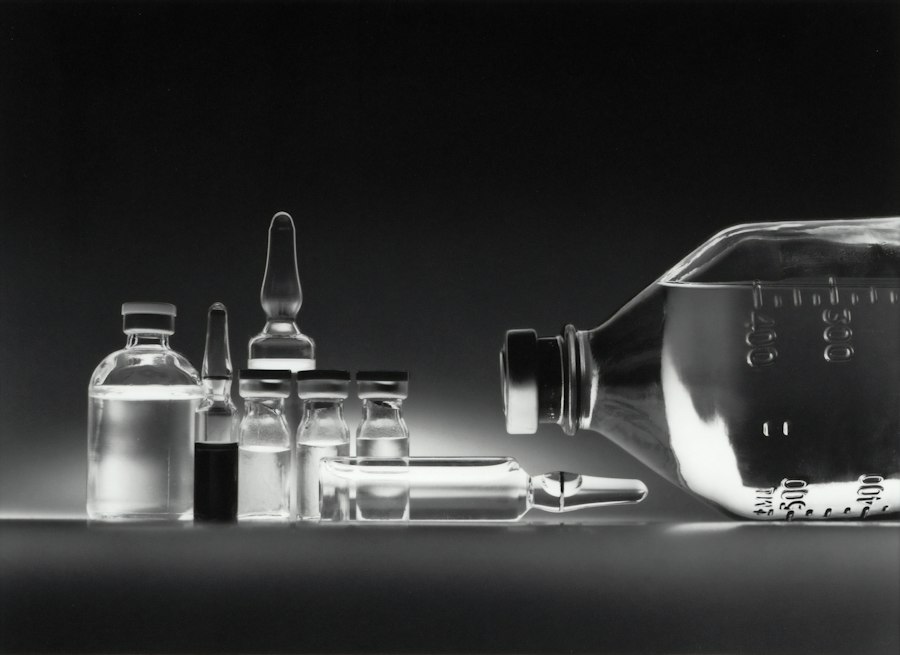
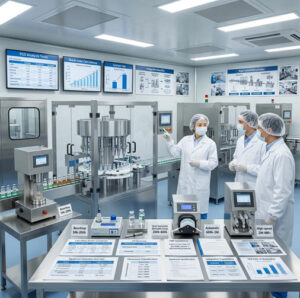
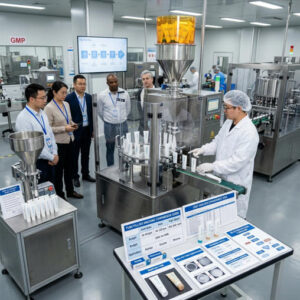
Cosmetic and pharmaceutical tube production begins and ends at the filling and sealing station — the machine that determines product integrity, fill accuracy, and regulatory compliance.
What Is a Tube Filling and Sealing Machine?
Core Functions and Applications
A tube filling and sealing machine is a purpose-built piece of packaging equipment that performs two core operations in sequence: filling — dispensing a precise, measured quantity of product into an empty tube — and sealing — closing the open end of the tube to create a hermetic (airtight and leak-proof) barrier.
Modern machines accomplish both operations within a single integrated cycle, typically handling additional steps including tube orientation (aligning brand-print to face forward), coding (printing lot numbers and expiry dates), trimming (cutting the sealed tail to a uniform fold length), and discharge (releasing finished tubes to a conveyor or collection tray).
The product range handled by these machines spans the full viscosity spectrum — from low-viscosity serums and eye gels (~500 cps) to thick pharmaceutical ointments and barrier creams (~80,000 cps). Each viscosity range requires different pump and nozzle engineering, which is a key differentiator between machine platforms.
Viscosity (cps / centipoise): A measurement of a fluid’s resistance to flow. Water is ~1 cps; light lotions ~500–2,000 cps; thick creams ~10,000–80,000 cps. Machines must be specified for the viscosity range of your product.
Hermetic Seal: An airtight, leak-proof closure that prevents both product egress and environmental contamination. Required by FDA and EU GMP for pharmaceutical tubes.
GMP (Good Manufacturing Practice): Regulatory standards governing pharmaceutical manufacturing environments, equipment, and documentation — enforced by FDA (US), EMA (EU), and WHO globally.
Tube Orientation: The process by which a machine rotates each tube to a precise angular position before filling, ensuring the printed design faces a defined direction in the finished package.
Fill Weight Accuracy (±%): The acceptable variance in fill quantity from the target weight. Pharmaceutical applications typically require ±1–2%; cosmetic applications typically tolerate ±2–3%.
Importance in Cosmetics and Pharmaceuticals
In cosmetics, the tube filling and sealing machine determines three things that directly hit brand revenue: fill weight consistency (underfills trigger consumer complaints and regulatory scrutiny), seal integrity (a leaking serum tube returned from a retailer carries return-processing costs plus brand damage), and print-registration accuracy (a poorly oriented tube means the brand face is upside down — a defect rejection at retail).
In pharmaceuticals, the stakes are compounded by regulatory liability. A GMP audit finding related to filling equipment — for example, inadequate cleaning validation between product campaigns, or fill-weight records that can’t be traced to individual production batches — can result in warning letters, batch recalls, or suspension of manufacturing authorization. The machine is not just operational infrastructure; it’s a regulatory asset that must be qualified, documented, and maintained to defined standards.
Key Benefits of Tube Filling and Sealing Machines
Eficiência e produtividade
Manual tube filling — still practiced by a shrinking number of micro-batch producers — delivers roughly 200–400 tubes per operator per hour, with fill-weight variance that can reach ±8–10%. An entry-level semi-automatic machine running at 10–15 tubes per minute replaces that with ±2–3% variance and throughput of 600–900 tubes per hour, with one operator. A fully automatic machine at 80 tubes per minute processes 4,800 tubes per hour with minimal intervention.
For a contract cosmetic packer running three 8-hour shifts, that difference between manual and automatic isn’t just a productivity number — it’s the operational gap between being able to serve mid-size brand clients and not. The decision between automatic and semi-automatic machinery hinges on monthly volume, SKU diversity, and acceptable labor cost per unit — a calculation most growing brands underestimate at first.
Hygiene and Sterility
Product-contact surfaces in pharmaceutical tube filling machines are built to SUS316L stainless steel specifications — a higher-grade alloy than the SUS304 used in frame construction — because 316L’s molybdenum content provides superior resistance to the aggressive alkaline cleaning agents (CIP — Clean-In-Place) used between product campaigns. Pharmaceutical clients routinely audit this specification during supplier qualification visits.
For cosmetic machines, SUS304 construction is standard and sufficient for most applications. The hygiene requirement shifts to ease-of-cleaning — dead zones, sharp internal corners, and inaccessible valve seats that retain product residue are not just contamination risks; they’re sources of microbial growth in water-activity-sensitive formulations like anhydrous creams and oil-in-water emulsions.
Consistency and Quality
Servo-motor driven piston fillers — the current standard in mid-to-high tier machines — deliver fill-weight repeatability of ±0.5–1.5% across a full production run, regardless of product temperature drift or ambient pressure variation. This consistency directly protects brands from two costly scenarios: overfill (product given away above label weight, reducing margin) and underfill (regulatory non-compliance and consumer complaints). One cosmetic manufacturer reported reducing their monthly tube rework rate from 3.2% to 0.7% after upgrading from a gear-pump filler to a servo-piston system — a saving that recovered the machine’s incremental cost in under 8 months.

Stainless steel product-contact components, servo-controlled piston fillers, and validated CIP protocols are the three pillars of hygienic tube filling in pharmaceutical production.
Types of Tube Filling Machines
Not all tube filling machines are built for the same production context. Choosing the wrong type is the most common procurement mistake in this category — typically because buyers focus on headline throughput rather than the operational fit to their actual SKU mix, batch size, and available floor space.
Manual Tube Filling Machines
Manual machines require an operator to load each tube individually, trigger the fill cycle, and position the tube for sealing. Output is typically 200–500 tubes per hour. These are appropriate for R&D batch production, initial product validation runs, or ultra-niche producers running fewer than 2,000 tubes per month. The advantage is minimal capital outlay (USD 1,500–6,000); the limitation is operator-dependent fill variance and high per-unit labor cost at any scale above micro-batch.
Semi-Automatic Tube Filling Machines
Semi-automatic machines automate the fill-and-seal cycle — product dispensing, tail sealing, and batch coding — but rely on an operator for tube loading and discharge. At 10–35 tubes per minute, a single operator running a semi-automatic machine can produce 3,600–12,600 tubes in a 6-hour production shift. This format is the entry point for small cosmetic brands producing 10,000–80,000 tubes per month, offering a realistic balance of capital cost and production capacity.
Automatic Tube Filling Machines
Fully automatic machines handle every step from tube in-feed (via hopper or magazine loader) through filling, sealing, coding, trimming, and discharge — with minimal operator intervention beyond replenishing tube supply and performing quality checks. Operating speeds of 40–120 tubes per minute are standard; high-end linear machines reach 200+ tubes per minute. These machines are suitable for production volumes of 100,000–1,000,000+ tubes per month and are the standard format for pharmaceutical contract manufacturers and established cosmetic brands.
Rotary Tube Filling Machines
Rotary machines arrange filling stations around a rotating carousel — typically 6, 8, or 12 stations — allowing multiple tubes to be processed simultaneously at different stages of the filling and sealing cycle. A 12-station rotary machine running at 60 RPM processes 60 tubes per minute with each tube spending 1 full second at each station, which is critical for high-viscosity products that require slower, more controlled fill cycles. Rotary platforms are particularly valued in pharmaceutical tube filling for their compact footprint relative to throughput and their compatibility with in-line check-weighers and vision inspection systems.
Cosmetic Tube Filling Machines
Cosmetic-specific tube filling machines are optimized for product characteristics common in skincare and personal care: variable viscosity profiles (a single line may run light toner, medium lotion, and thick cream on successive batches), high SKU diversity with frequent format changes, and packaging substrates that include laminate, PE, and sometimes PCR (post-consumer recycled) materials with non-standard wall thickness. Changeover speed — the time to switch from one SKU to the next — is the critical specification for cosmetic producers, where format changes may happen 3–5 times per shift.
Output capacities modeled at 2-shift, 22-day operation with 85% OEE (Overall Equipment Effectiveness). Actual output depends on product viscosity, tube format, and changeover frequency.
| Tipo de máquina | Speed (tubes/min) | Automation Level | Typical Capex (USD) | Best Suited For |
|---|---|---|---|---|
| Manual | 3–8 | Operator-driven | $1,500–$6,000 | R&D, pilot batches, <2K tubes/month |
| Semi-Automatic | 10–35 | Semi (auto fill/seal, manual load) | $8,000–$25,000 | Small brands, 10K–80K tubes/month |
| Automatic Linear | 40–120 | Totalmente automático | $35,000–$120,000 | Mid-scale cosmetic & pharma, 100K–800K/mo |
| High-Speed Automatic | 120–200+ | Fully automatic + in-line QC | $100,000–$280,000 | Large-scale cosmetic, oral care, pharma |
| Rotary | 60–120 | Fully automatic, multi-station | $80,000–$200,000 | Pharma-grade, high-viscosity, GMP lines |
How Tube Filling and Sealing Machines Work
Understanding the machine’s operating sequence helps operators diagnose problems faster and helps procurement teams ask the right questions during supplier demos. The full cycle comprises five integrated steps:
Tube Feeding and Orientation
Tube feeding systems range from simple vibratory bowl feeders (suitable for uniform tube formats) to servo-driven magazine loaders that handle multiple tube diameters and shoulder profiles without mechanical adjustment. Orientation — aligning the tube’s printed face — is achieved via optical sensors that read a registration mark or printed feature on the tube body, triggering a servo micro-rotation to achieve precise angular position before the fill nozzle descends.
Poor orientation is one of the most common cosmetic tube quality issues in the field: a brand running 5 SKUs on the same line without proper sensor calibration per format will produce a percentage of tubes where the brand logo is rotated 90–180 degrees from intended position. This is a defect that passes fill-weight and seal-integrity checks but causes retail rejection.
Pressure-Based Filling Process
Three filling mechanisms dominate the tube filling machine market, each suited to a different product viscosity range. Piston fillers use a precision-machined cylinder and servo-driven piston to draw and dispense a fixed volume per stroke — accurate to ±0.5% for products up to ~50,000 cps. Gear pumps use counter-rotating gears to generate a continuous metered flow — preferred for medium-viscosity products and high-speed applications. Peristaltic pumps squeeze a flexible tube to propel product without contacting metal parts — ideal for heat-sensitive or sterile pharmaceutical formulations where zero cross-contamination risk is mandatory.
Sealing Methods: Heat vs. Ultrasonic
Two sealing technologies dominate the industry, and the choice between them is dictated by tube material and production throughput requirements. Hot-air or jaw heat sealing uses externally heated jaws to melt and fuse the tube tail — well-suited to plastic PE tubes but slower due to heating and cooling cycle times. Ultrasonic sealing uses high-frequency vibrations (typically 20–40 kHz) to generate friction heat precisely at the seal interface — enabling faster cycle times, no preheating delay, and compatibility with both plastic and aluminum-barrier laminate tubes. For pharmaceutical laminate tube lines, ultrasonic sealing is increasingly the standard.
Coding, Trimming, and Discharge
Coding systems are integrated immediately after sealing, while the tube tail is still positioned in the seal station. Hot-stamp coding embosses alphanumeric characters into the tube material — durable, smear-proof, and low-cost. Inkjet coding (CIJ — Continuous Inkjet) is faster and enables variable data without tool changes but requires ink replenishment and periodic printhead maintenance. For pharmaceutical applications, the coding system’s output must be 100% legible at defined minimum character heights and must generate electronically verifiable records linking each coded batch to the fill data — a requirement under 21 CFR Part 11 for US markets.
▶ Watch: Automatic 2-head tube filling and sealing machine in action — demonstrating tube feeding, orientation, servo filling, seal formation, and coded discharge in a single continuous cycle.
Choosing a Tube Filling and Sealing Machine
Output and Production Needs
The first number to establish is your monthly tube volume — not your aspirational volume, but your current confirmed order book plus a 25% headroom buffer. Then apply this rule: spec your machine to run at no more than 80% of its rated capacity during a standard shift. Running any machine at 95–100% rated speed as a baseline leaves no margin for speed reduction during thick-viscosity products, no buffer for minor stoppages, and accelerates wear on all mechanical components. A machine rated at 100 tubes per minute should be your choice if your operational need is 80 tubes per minute.
For brands unsure of future volume, modular machine architecture — where a semi-automatic base can be upgraded with automatic tube-feeding and discharge systems at a later stage — provides a capital-efficient path to scale without full machine replacement. This modular approach is reflected in how Máquinas de embalagem Miyoda structures its tube filling and closing equipment range, allowing buyers to start at the production level that matches today’s volume while engineering for tomorrow’s growth.
Product Compatibility and Viscosity
Viscosity is the single most important product characteristic for machine selection, and it’s the one most frequently underspecified in RFQ documents. Always provide your supplier with the actual measured viscosity at filling temperature — not the room-temperature viscosity — because many cosmetic formulations (especially wax-based creams and petrolatum ointments) have viscosities that change dramatically with temperature. A product that is 50,000 cps at 20°C may be 8,000 cps at 60°C — a six-fold difference that completely changes the required pump type, nozzle diameter, and fill cycle time.
If your product line spans a wide viscosity range across SKUs, confirm that the machine’s pump and nozzle system supports that full range without requiring major mechanical changes between formats. Some mid-tier machines handle Ø10–60mm tube diameters and product viscosities from 500 cps to 80,000 cps on the same platform — but only if the heating hopper and nozzle assembly options are correctly specified at purchase.
Hygiene and Compliance
For cosmetic brands, the minimum hygiene standard to specify is food-grade SUS304 stainless steel for all product-contact surfaces, FDA-approved elastomers (silicone or PTFE/Teflon) for seals and gaskets, and a cleaning procedure that can be completed in under 60 minutes without specialized tools. For pharmaceutical applications, add: SUS316L stainless steel for product-wetted parts, CIP/SIP (sterilize-in-place) compatibility, smooth crevice-free welds per ASME BPE standards, and an IQ/OQ documentation package from the manufacturer that supports your regulatory validation.
The FDA’s Guidance for Container Closure Systems (21 CFR Parts 210 and 211) explicitly addresses the filling equipment used for pharmaceutical packaging — machines must be validated to demonstrate they do not alter product composition, introduce contaminants, or cause seal failures under defined test conditions.
Budget and Cost Factors
Tube filling machine budgets are most usefully framed as cost-per-thousand-tubes over a 5-year operating life, not as sticker price. A USD 15,000 semi-automatic machine processing 300,000 tubes/year has a depreciation cost of USD 10 per thousand tubes. A USD 90,000 automatic machine processing 1,500,000 tubes/year has a depreciation cost of USD 12 per thousand tubes — only marginally higher, while delivering 5× the throughput and substantially lower per-tube labor cost.
Fully automatic machines represent the majority of new installations globally, driven by pharmaceutical GMP requirements and cosmetic brands scaling above 100,000 tubes/month. Source: Industry estimates, 2025.
Customization and Scalability
Customization options that meaningfully expand a machine’s utility include: multi-nozzle configurations (dual or quad nozzles that fill two or four tubes simultaneously, doubling throughput on the same footprint), heated hopper systems (for products requiring elevated temperature to maintain flowability), and servo-driven tube loaders that handle variable shoulder heights and cap profiles without manual adjustment. For distributors and contract packers serving multiple brand clients, the ability to switch tube formats — diameter, length, substrate — within a 30-minute tool-free changeover is not a luxury; it’s an operational requirement that should appear as a contractual specification in the purchase agreement.

Pharmaceutical-grade tube filling lines require validated equipment, GMP-compliant materials, and integrated batch-coding systems to meet regulatory traceability requirements.
Common Challenges and Troubleshooting
Filling Accuracy Issues
Fill-weight drift — where actual fill weights gradually deviate from the target specification over the course of a production run — is the most commonly reported issue on tube filling lines. The root causes in order of frequency are: product temperature change in the hopper (affecting viscosity and thus pump output per stroke), wear in piston cup seals (causing internal leakage that reduces effective displacement), and air entrainment in viscous products (creating compressible voids in the product column that displace volume without weight).
The diagnostic protocol: run a 20-tube sample every 30 minutes and record individual tube weights against target. If drift is gradual and directional (all trending low), it’s likely a seal wear or temperature issue. If drift is random and high-variance, it’s typically air entrainment — resolved by recirculating the product in the hopper at temperature before the production run and installing a de-aeration step upstream of the fill nozzle.
Sealing Defects
Seal defects fall into three categories, each with distinct causes. Partial seals (where the tube tail is only partially fused) are caused by insufficient jaw temperature, inadequate jaw pressure, or product contamination in the seal zone — product residue left in the tube tail during filling prevents polymer fusion. Burn-through (where the tube material melts unevenly or perforates) indicates excessive jaw temperature or dwell time. Wrinkled or puckered seals suggest incorrect tube tail clamping or tube material that has been stored at non-optimal temperature and humidity, affecting its sealing behavior.
- Partial seal → Check jaw temperature (±5°C from spec) and product-in-seal-zone contamination
- Burn-through → Reduce dwell time by 0.1s increments; verify jaw thermocouple calibration
- Wrinkled seal → Check tube material conditioning; verify clamping alignment and jaw parallelism
- Uneven seal width → Inspect jaw face for wear or product buildup; re-calibrate jaw pressure
- Pinholes in seal → Suspect ultrasonic horn wear or misalignment; inspect for metal-to-metal contact
Manutenção e tempo de inatividade
Unplanned downtime on a tube filling line costs the average mid-scale producer USD 800–2,500 per hour in lost output, labor waste, and material scrapped during machine restart. The industry benchmark for well-maintained automatic tube fillers is an OEE (Overall Equipment Effectiveness) of 85–92% — meaning 8–15% of planned production time is lost to downtime, speed losses, and quality rejects combined. Lines running below 75% OEE are typically carrying deferred maintenance that is silently compounding into larger future failures.
The three components with the highest failure frequency are: fill nozzle assemblies (valve seat wear and residue buildup), sealing jaw heater elements (typically rated for 2,000–4,000 operating hours), and tube-feeder drive belts (subject to slip and stretch in humid production environments). Tracking mean-time-between-failure (MTBF) on these components and replacing them on a schedule — rather than after failure — is the single most impactful maintenance practice available to tube filling line operators.
Maintenance and Care for Tube Filling Machines
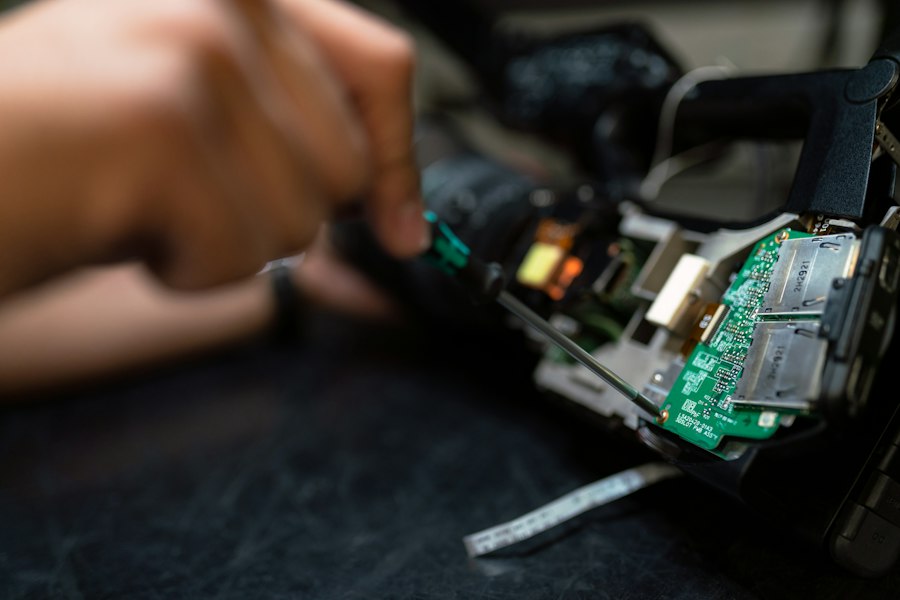
Scheduled preventive maintenance — not reactive repair — is what separates 90% OEE production lines from 70% OEE lines. The investment in maintenance time pays back 4–6× in avoided downtime.
Routine Cleaning and Inspection
End-of-shift cleaning is non-negotiable on all tube filling lines — not just for GMP compliance, but to prevent product residue hardening in valves, nozzles, and pump chambers overnight. The standard protocol for water-based and emulsion products: flush product circuit with warm water, followed by a cleaning agent cycle at the manufacturer’s specified concentration, followed by a clean-water rinse and air purge. For solvent-based or anhydrous products, use the solvent or carrier appropriate to the formulation before water flushing.
Weekly inspection should cover: fill nozzle valve seats (inspect for wear, scoring, or residue), sealing jaw faces (inspect for contamination and parallelism), drive belt tension and condition, lubrication points per manufacturer schedule, and electrical connections on heater elements and servo drives. Log all findings — this is not a GMP formality; it’s the data that enables predictive maintenance decisions before failures occur.
Preventive Maintenance
A structured preventive maintenance (PM) schedule typically operates on three cycles. Monthly: replace nozzle tip seals and O-rings, calibrate fill-weight system against traceable weights, verify jaw heater thermocouple accuracy, clean and inspect all sensor faces. Quarterly: replace drive belts on high-wear feeder and discharge conveyors, re-lubricate all bearing assemblies, inspect piston cylinder bores for scoring, verify all safety interlocks. Annually: full machine inspection and calibration by a qualified technician, replacement of UV sensor lamps (where installed), re-validation of fill-weight accuracy across the full product range, and update of maintenance records for regulatory documentation.
OEE benchmarks by maintenance program type. Each 10-point OEE improvement on a 100-tube/min automatic machine running 2 shifts adds approximately 96,000 additional output tubes per month. Source: Industry benchmark estimates, 2024–2025.
Staff Training and Best Practices
Machine performance degrades faster through operator error than through normal wear — and operator error is almost entirely preventable through structured training. The most impactful training investment for tube filling line operators covers: correct changeover procedure (including torque specifications for nozzle assemblies and jaw alignment checkpoints), fill-weight sampling protocol (how many samples, at what intervals, and what to do when a sample fails), CIP procedure execution (including verification that cleaning cycle parameters were met before product introduction), and fault recognition — the ability to identify the early signs of nozzle wear or jaw temperature drift before they produce a full batch of defective tubes.
For pharmaceutical operations, training records must be documented, signed, and retrievable for GMP audit purposes. For cosmetic operations, documented training is best practice that significantly reduces the human-error component of quality non-conformances — which, across the industry, accounts for an estimated 40–55% of all tube filling line quality events.
Find the Right Tube Filling Machine for Your Production Line
Miyoda Packaging Machinery provides tube filling and closing equipment for cosmetic and pharmaceutical brands worldwide — from semi-automatic benchtop fillers to high-speed integrated lines. Explore the full range or request a production-specific consultation.
Explore Miyoda Tube Filling Machines →Matching the Machine to Your Production Reality
Tube filling and sealing machines are not commodity equipment. Each specification decision — machine type, sealing method, pump technology, stainless steel grade, coding system — has direct downstream consequences on product quality, regulatory compliance, production efficiency, and total operating cost.
The brands and contract packers that get these decisions right operate from a clear understanding of their own production data: monthly volume, viscosity range, tube substrate mix, changeover frequency, and compliance environment. They request sample trials on their own product and tubes — not supplier demos on generic test materials. They read the maintenance schedule before signing the purchase order. And they evaluate the supplier’s service and spare-parts infrastructure with the same rigor they apply to machine specifications.
From semi-automatic fillers serving a startup skincare brand to fully validated rotary lines producing pharmaceutical ointments under GMP, the machine market in 2025 offers options for every production scale and regulatory context. The key is matching the specification to the operational reality — and resisting the temptation to buy tomorrow’s capacity at the cost of today’s operational simplicity.
For producers building or upgrading their tube filling capability, the resources and product range at Máquinas de embalagem Miyoda — covering everything from tube making and printing through filling, sealing, and decoration — provide a coherent starting point for sourcing a complete tube production ecosystem rather than piecing together incompatible single-point solutions.
Glossary of Key Terms
CIJ (Continuous Inkjet): A non-contact coding technology that projects fine ink droplets onto the tube surface to print variable data such as batch codes and expiry dates.
OEE (Overall Equipment Effectiveness): A composite KPI combining Availability × Performance × Quality. An OEE of 85% is considered world-class for packaging equipment.
PCR (Post-Consumer Recycled): Tube material made from recycled plastic content. PCR tubes have non-standard wall thickness that may require machine adjustment compared to virgin PE tubes.
Peristaltic Pump: A pump that moves product by squeezing a flexible tube — no metal-to-product contact, ideal for heat-sensitive or sterile formulations.
SIP (Sterilize-In-Place): A process where steam or chemical sterilant is circulated through the product circuit after CIP — required for aseptic pharmaceutical filling applications.
SKU (Stock Keeping Unit): An individual product variant with a unique product code, packaging format, and label design. High SKU diversity drives changeover frequency on tube filling lines.