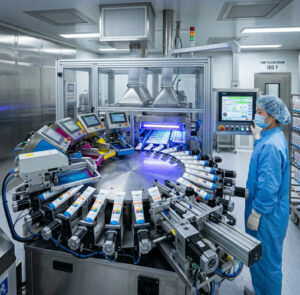
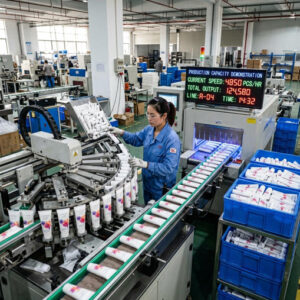
A printer does not warn you when it drifts. It keeps running. The tubes keep coming. Then 12,000 of them reach the filling line, and a quality manager holds one up to the light. The logo sits 0.4 mm off centre. The batch stops.
Stopping a batch costs more than the tubes. You lose the run. You lose the slot on the filling line. You explain the delay to a brand owner who has three other suppliers waiting for the order.
Most buyers compare machines on price and top speed. Plants that run well compare something else. They compare the cost of one good, printed tube.
This guide gives you a 10-part framework. Use it on a quote, on a supplier visit, or on a trial run. Every part ends in something you can measure.
It is written for two groups: manufacturers buying equipment to print cosmetic or pharmaceutical tubes, and distributors or agents who resell that equipment and support it for years afterwards.
What this guide covers
I. The Real Cost of a Print Error
A print error costs money in four places. Scrap. Labour. Line time. Paperwork.
Start with material. A blank PE tube costs about USD 0.15 to 0.40. A run of 50,000 tubes holds USD 7,500 to 20,000 of tube alone. Add ink, power, and operator hours. Now add a 6% reject rate at the printer. That is 3,000 tubes lost before they ever reach filling.
Pharma buyers carry a second cost. A misprinted tube can open a deviation report. Someone must investigate. Someone must write it up. Under 21 CFR Part 211, the batch record has to show what happened and what you changed.
Cosmetic buyers carry a third cost. The tube is the product on the shelf. A blurred logo reads as a cheap product, whatever the formula inside costs to make.
None of these costs appear on a quotation. They appear months later, in a scrap report nobody reads until the numbers get bad.
Move from specifications to outcomes
Two suppliers can quote the same numbers. Sixty tubes a minute. Six colours. ±0.1 mm registration. One machine holds those numbers in week 40. The other holds them in the demo room.
A specification describes a best case. An outcome describes an average Tuesday, on the second shift, with a new operator and a batch of tubes that arrived slightly warm.
Buyers who ask for outcomes get machines that survive an average Tuesday. Here is how to ask.
II. Defining Your Quality Benchmark: Precision and Registration
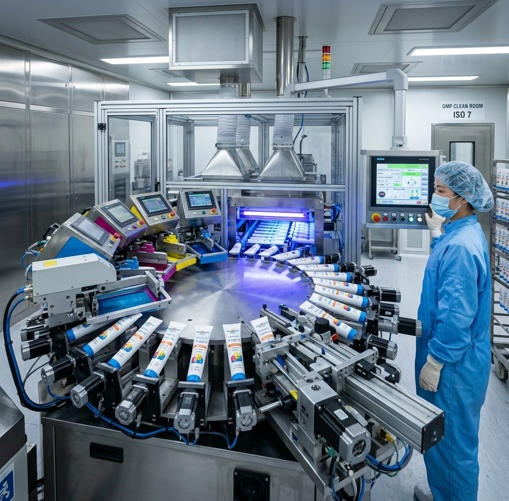
Registration is the alignment of one printed colour against another. When registration drifts, a red outline slides off a blue fill. On a 25 mm tube, 0.2 mm of shift is visible at arm’s length.
Registration is also where buyers get sold a number they cannot keep. The number is easy to print in a brochure. Holding it for two million cycles is the hard part.
What ±0.1 mm actually buys you
Not every job needs the same tolerance. Match the tolerance to the artwork, then pay for what the artwork needs.
| Print job | What the eye catches | Tolerance to request |
|---|---|---|
| Single-colour solid logo | Soft or ragged edges | ±0.3 mm |
| Two colours with a keyline | A gap or overlap at the edge | ±0.15 mm |
| Four-colour image or gradient | Colour fringing, muddy shadows | ±0.1 mm |
| Text under 6 pt, ingredient lists | Broken strokes, unreadable characters | ±0.1 mm or tighter |
| Pharma code overprint | A character a scanner can misread | ±0.1 mm plus a vision check |
Ask one follow-up question. How is the number held? Servo indexing, a mechanical register pin, and a camera system can all reach ±0.1 mm on day one. They behave differently after a year of three-shift running.
- Mechanical pins are simple and cheap to keep. They wear, so they need a wear check in the maintenance plan.
- Servo indexing holds position without contact, so wear moves to the belt and the coupling instead of the register itself.
- Vision correction reads a mark and corrects during the run. It costs more, and it earns that cost on long runs of tight artwork.
The mandrel decides the blur
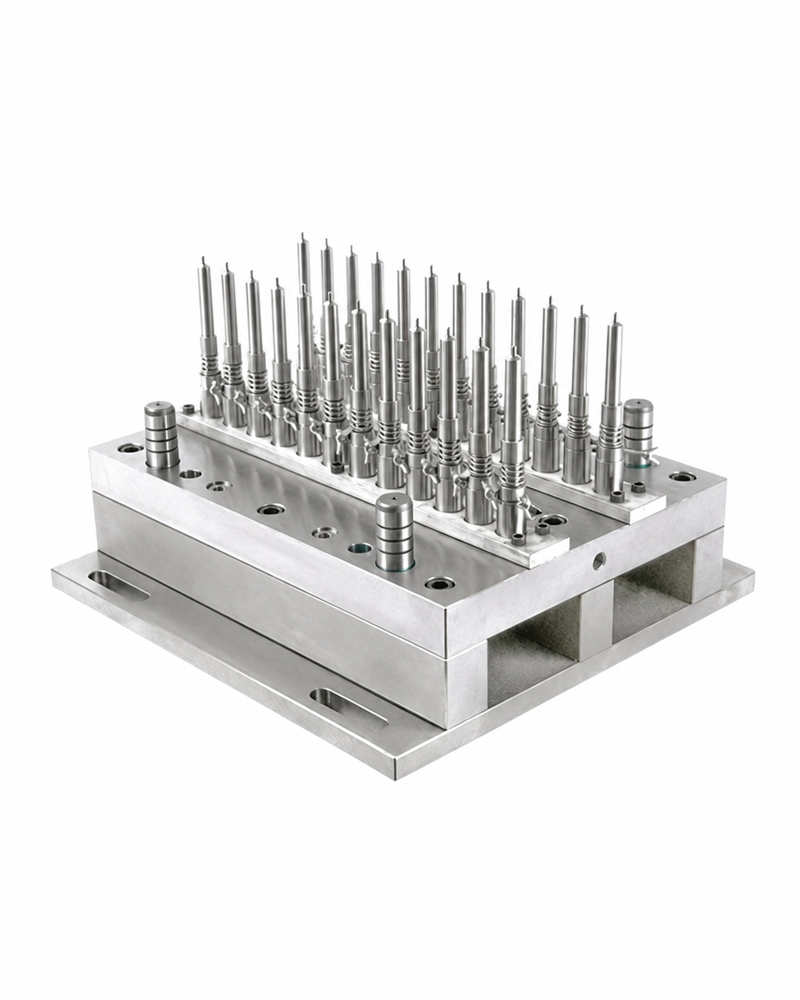
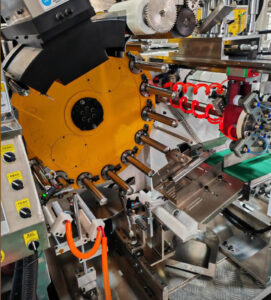
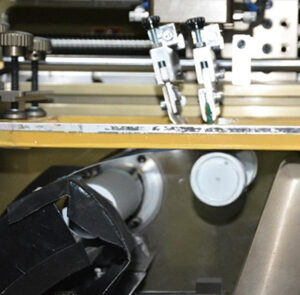
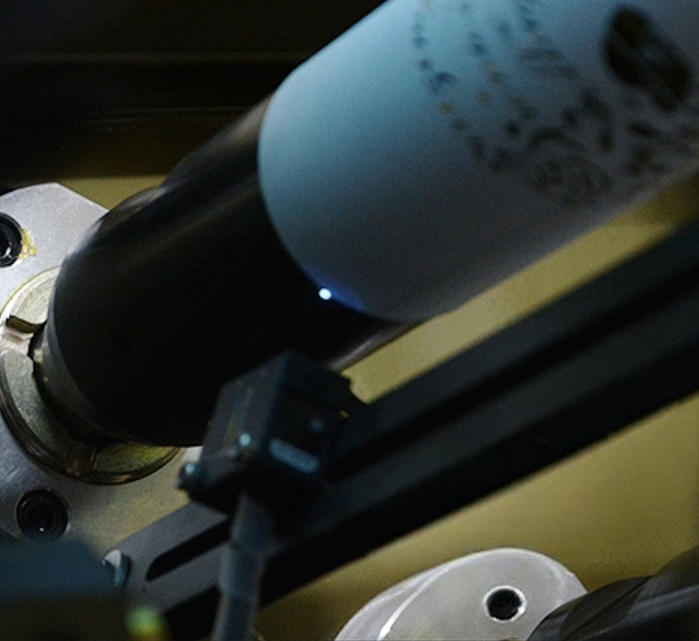
Mandrel: the metal pin that holds the tube while it prints. The tube slides over it, the mandrel turns, and the screen presses ink onto the rotating surface.
A worn mandrel lets the tube wobble. Wobble becomes blur. Blur becomes a reject. On tubes wider than 40 mm, a light mandrel shows this first.
Good machines use ground V-block supports, pneumatic clamping, and a mandrel diameter matched to the tube bore. Cheap machines use a generic adapter. The adapter prints fine in a demo and struggles on a 50 mm tube with thin walls.
Ink thickness is the quiet advantage
Screen printing lays down a thick ink film, roughly 3 to 5 times thicker than offset. That thickness is why a white logo stays white on a black tube, and why a red stays red under store lighting.
The trade-off is detail. Fine gradients and photographic images are easier on dry offset printing machines. Many plants run both, and use Miyoda’s multi-colour tube screen printers for solid brand colour and offset for artwork that needs smooth shading.
The screen printing process itself has not changed much in decades. What changed is the control around it: servo drives, closed-loop registration, and in-line curing.
Bring your worst artwork to the trial
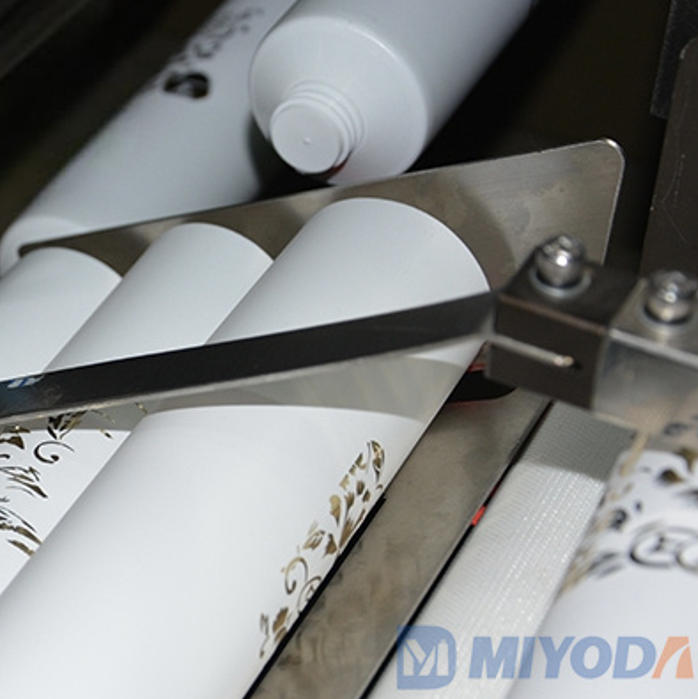
Do not test with a one-colour logo. Test with the design your customer argues about. The tight keyline. The 5 pt legal text. The white knock-out on a dark tube.
Then measure three things: colour position, ink opacity, and edge sharpness. Take photos at the start, the middle, and the end of a 2,000-tube run. If the third photo looks like the first, you have a machine. If it does not, you have a demo.
III. Optimizing Throughput: Speed vs. Stability
Every brochure quotes cycles per hour. Ask a different question. How many good tubes leave the machine in one shift?
Effective output: the number of good, sellable tubes the machine produces per hour. It is nameplate speed reduced by stoppages and rejects.
The maths is short. Effective output = nameplate speed × uptime × first-pass yield.
Now put two machines through it.
| Machine | Nameplate | Uptime | First-pass yield | Good tubes per hour |
|---|---|---|---|---|
| A: fastest on paper | 5,000/h | 75% | 94% | 3,525 |
| B: slower, steadier | 4,000/h | 95% | 98.5% | 3,743 |
Machine B wins. It wins with a lower top speed and a higher price. It wins because it stops less and scraps less.
This is the most common buying mistake in tube decoration. Buyers pay for the top number. Plants earn from the middle number.
Speed only works if the ink is dry
Print faster than the ink cures, and tubes smear in the take-off tray. The smear shows up as a reject 20 minutes later, far from the cause.
UV ink cures in a fraction of a second under UV light. Infrared tunnels dry by heat and need time and floor space. That difference decides your layout, your power bill, and your maximum real speed.
Ask for the cure window, not just the lamp power. A machine that cures at 60 tubes a minute and one that cures at 90 look identical in a brochure.
Loading and unloading is a labour decision
A manual load station ties one person to the machine for the whole shift. Two operators instead of one costs roughly USD 30,000 to 60,000 a year in most markets, depending on shift patterns.
Automatic loading and unloading changes the job from feeding to watching. One operator can then run two machines in some layouts. That is the calculation to run, not the price difference between two quotes.
Brand owners now launch more SKUs and order smaller batches than they did five years ago. A single tube size used to run for a week. Many now run for a day. Peak speed matters less in that world. Time between jobs matters more, and we cover it in the next section.
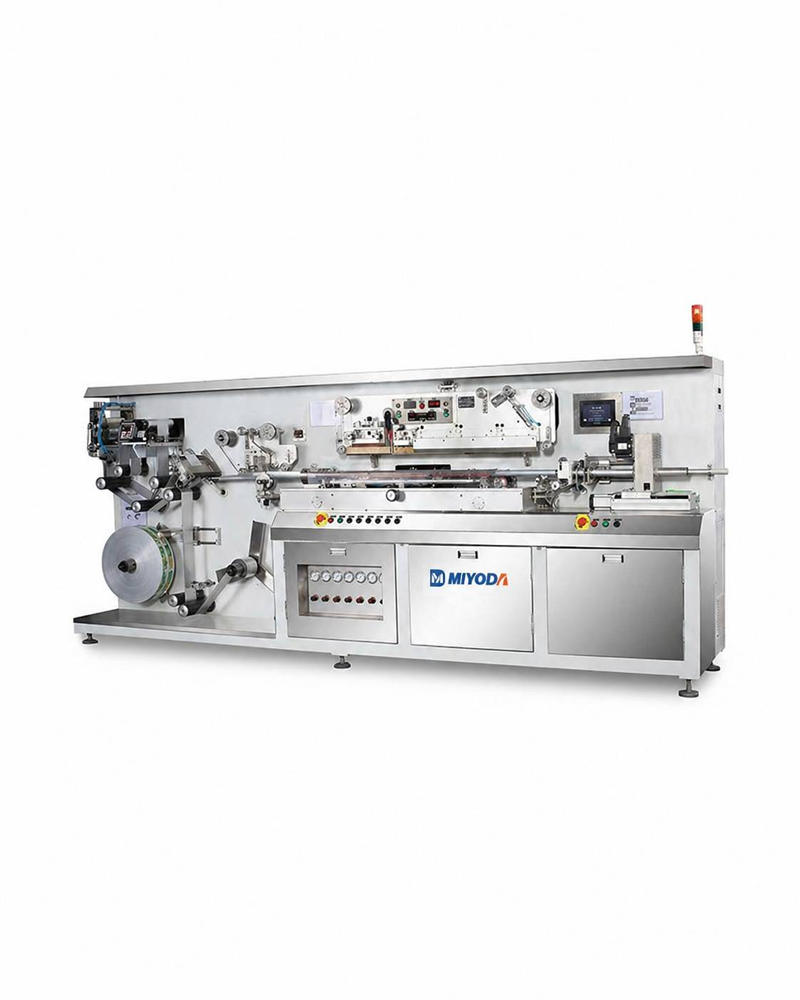
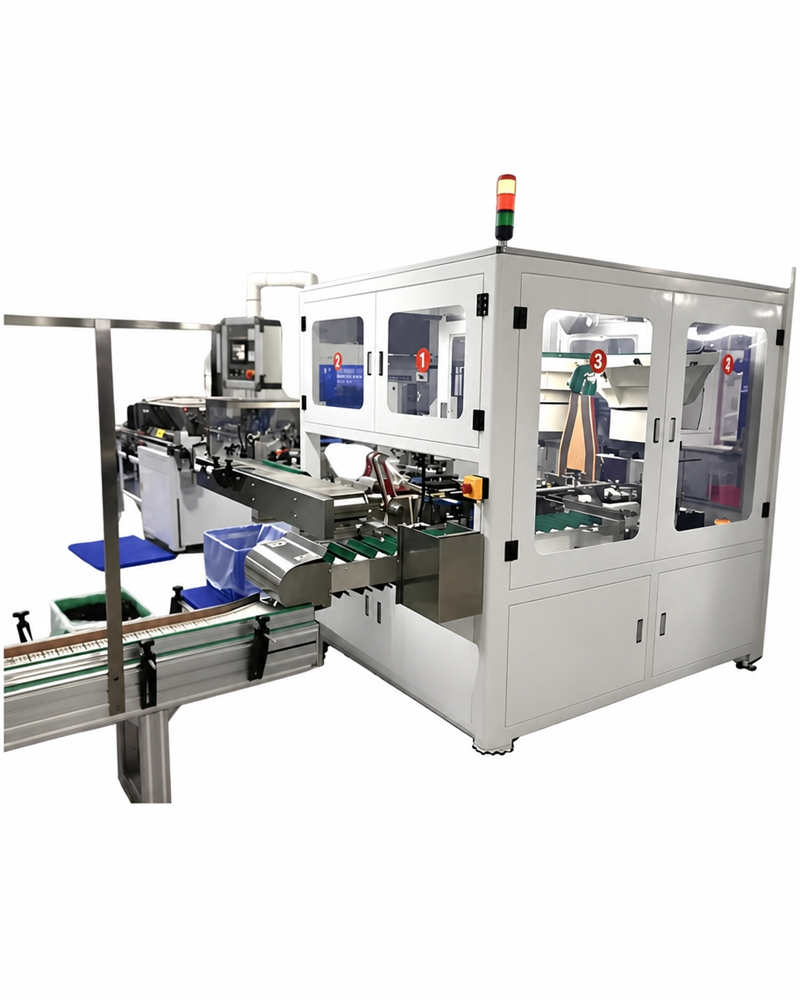
Watch how a multi-colour UV screen printing line handles soft cosmetic and derma PE tubes: tube feed, colour stations, UV cure, and take-off.
IV. Minimizing Downtime: The Changeover Efficiency
Changeover is the clock from the last good tube of job A to the first good tube of job B. That clock runs on your money.
Changeover time: the total time needed to switch a machine from one job to another, including screens, ink, tooling, and settings.
Here is what the clock looks like on two kinds of machine.
| Task | Older machine | Modern machine |
|---|---|---|
| Screen change, same job size | 20–30 min | 5–10 min |
| Tube diameter change with new mandrels | 45–90 min | 10–20 min |
| Ink colour change and wash-up | 30–60 min | 10–15 min |
| Parameter setup | 20–40 min, by hand | Under 2 min, recipe recall |
| Full job change | 1–2 hours | 15–30 min |
Now price the gap. Say you change jobs eight times a week. Say the modern machine saves 1.5 hours each time. At a loaded rate of USD 100 per hour, that is USD 1,200 a week, and about USD 60,000 a year.
That number usually exceeds the price difference between the two machines. It also arrives every year, not once.
Look for tool-less adjustment
Walk up to the machine and ask the operator to change one thing. Watch their hands.
Good design needs no spanner. Knobs with scales. Quick-release mandrels. A screen frame that drops into a fixed stop. A squeegee holder with a numbered position you can return to.
Bad design needs a tool kit, a maintenance technician, and a trial-and-error run of ten tubes.
Standard parts protect your uptime
Ask which parts are standard: bearings, belts, sensors, PLC brand, pneumatic cylinders, UV lamp type.
A machine built from catalogue parts can be repaired locally, often the same day. A machine built from one supplier’s custom parts waits for a shipment.
For a distributor, this question decides your margin. You cannot sell service you cannot deliver in 48 hours.
V. Material Compatibility and Adhesion Performance
Ink does not stick to plastic. Ink sticks to a surface with enough energy to grab it.
Surface energy: a measure of how strongly a liquid spreads on a solid. It is measured in mN/m, also written as dyne/cm. Higher energy means better wetting and better ink grip.
A raw PE tube sits around 28 to 31 mN/m. Most inks need 38 to 44 mN/m to bond. The gap is closed by treatment, usually flame or corona discharge, done in line right before printing.
Treatment fades. Corona effect can drop back within 24 to 72 hours. That is why a pre-treated tube bought from a warehouse and printed a week later often fails an adhesion test. Treat at the press, not at the supplier.
Read more on the physics of wetting in this overview of surface energy.
Match the ink to the tube and to the rules
| Ink type | Best on | Cure method | Watch out for |
|---|---|---|---|
| UV-curable | PE, PP, laminate tubes | UV lamp, instant | Higher lamp power and heat control |
| Solvent-based | Aluminium and some laminates | Heat or IR tunnel | VOC limits and solvent handling rules |
| Water-based | Jobs where migration matters | Heat, slower | Weaker grip on some untreated laminates |
For cosmetic work, UV is the usual choice. It cures fast and holds up against oils and alcohol.
For pharmaceutical work, the ink choice is a compliance decision, not only a printing decision. Ask for the migration data and the food-contact or pharma statement before you approve a sample.
Test with the product, not with water
Two tests settle most arguments.
- Tape test. Cut a cross-hatch through the cured ink, apply tape, pull it off, and score how much ink stays. Class 4B to 5B is a pass for most tube work.
- Rub test. Use the actual product. Sunscreen with alcohol. Body oil. Hand cream. Fifty double rubs with a weighted cloth tells you what a shopper’s hands will do in a bathroom cabinet for six months.
Recycled and mono-material PE is spreading fast in Europe. That is good for the environment and hard on printing. Recycled resin changes surface energy from batch to batch, so a setting that worked last month can fail this month. Plants that run a dyne check at the start of every shift catch this before it becomes a pallet of rejects.
VI. Automation Integration and Industry 4.0 Readiness
Industry 4.0 is a short name for machines that report their own state. Nothing more mysterious than that.
The practical question is simple. Can the printer tell your system what it just did?
Look for a PLC with a data port. OPC-UA is the common one. It lets the printer send counts, rejects, alarm codes, and run time to your production software without a custom project.
Start with three data points
Do not buy a data package you will never open. Start with three signals and build from there.
- Good tube count, by job and by shift.
- Reject count with a reason code, so you can see whether the problem is registration, cure, or handling.
- Downtime reason, entered at the machine in two taps.
Those three numbers turn a monthly argument into a daily decision. They also give you the evidence you need at a customer audit.
The printer is one station, not the plant
Speed has to match upstream and downstream. A printer that runs 20% faster than the rest of the line builds a pile of tubes at the take-off and stops anyway.
Plan a buffer of 10 to 15% between stations. Check conveyor height, tube orientation, and where the reject gate sits. Then connect the signals: start, stop, and line full.
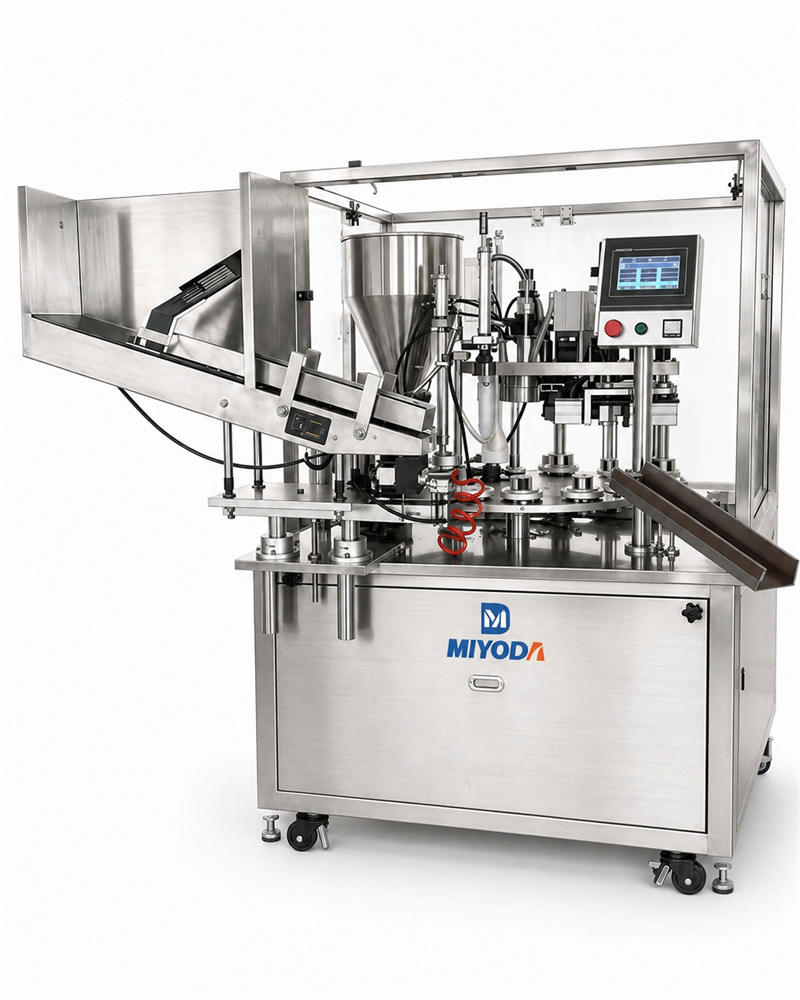
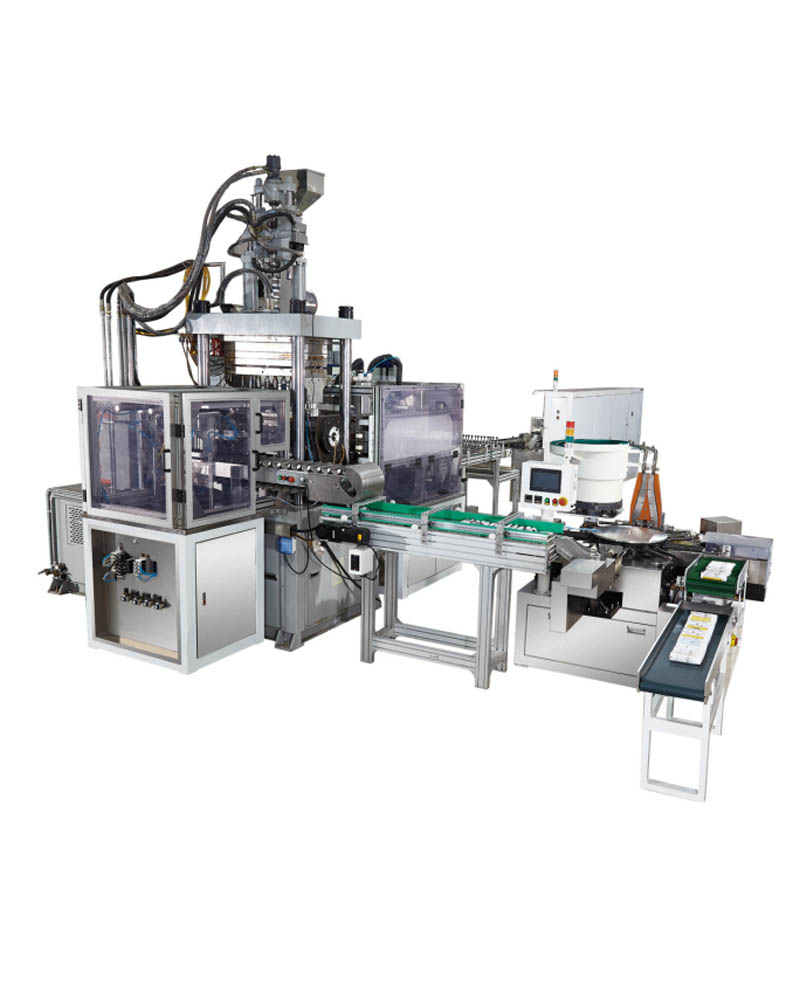
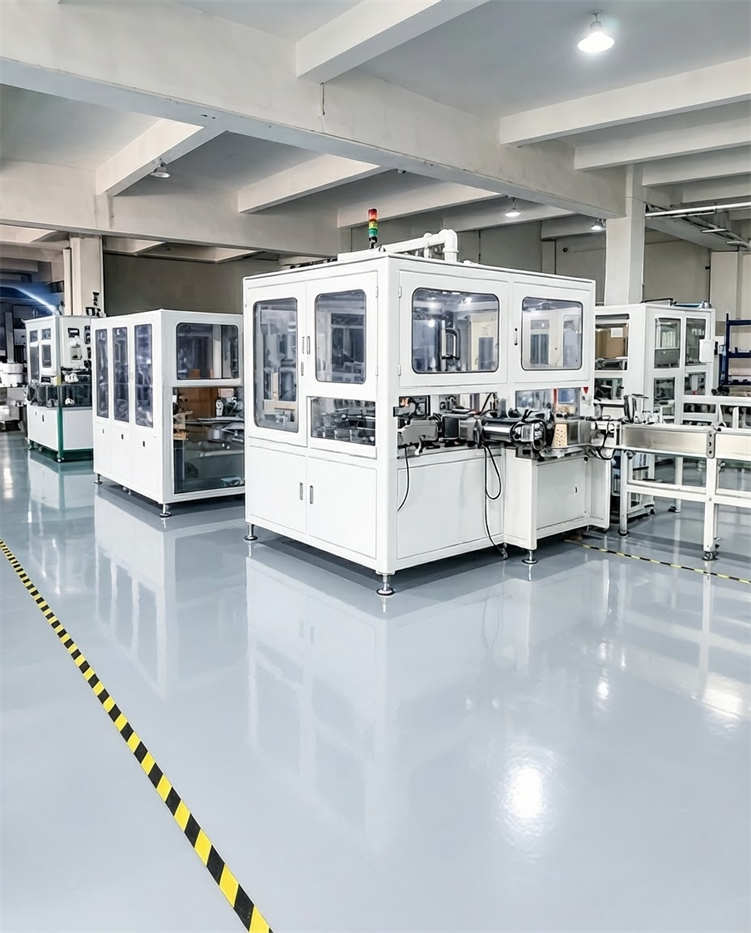
Most tube plants combine the printer with tube extrusion lines, heading stations, automatic capping machines, and tube filling and sealing equipment. Ask for a layout drawing and a signal list before you sign. It is cheaper to fix a drawing than a floor.
Remote help is now normal
A supplier should be able to log in, read the alarm history, and tell your technician which sensor to check. Ask whether remote support is included, and whether it needs a paid licence.
This one feature often decides whether a stoppage lasts two hours or two days. For an agent selling into a region without a local engineer, it decides whether you can take the order at all.
VII. Total Cost of Ownership (TCO) vs. Initial Purchase Price
The cheapest machine is often the most expensive one in the plant.
Total cost of ownership: everything you spend on a machine over its life. Purchase price, installation, power, consumables, spares, downtime, and scrap.
Here is the calculation on a five-year view. The figures are an illustrative example for a plant printing 5 million tubes a year.
| Cost line (per year) | Machine A | Machine B |
|---|---|---|
| Purchase price | USD 78,000 | USD 118,000 |
| Scrap at 3% vs 1% (blank tube at USD 0.20) | USD 30,000 | USD 10,000 |
| Downtime: 300 h vs 90 h at USD 100/h | USD 30,000 | USD 9,000 |
| Consumables: screens, squeegees, ink loss | USD 9,000 | USD 7,500 |
| Energy | USD 7,000 | USD 5,800 |
| Five-year total | USD 458,000 | USD 279,500 |
Machine B costs USD 40,000 more on day one. It costs USD 178,500 less by year five. The gap is not the price. The gap is scrap and stopped hours.
Run the same table with your own numbers before you compare quotes. You can follow a step-by-step method in this guide to the full cost-per-tube calculation.
The lines buyers forget
- Screens. A well-handled screen lasts 50,000 to 100,000 impressions. A stretched or scratched one fails far earlier.
- Squeegees. Expect a re-sharpen or replacement every few weeks on high volume.
- UV lamps. Mercury lamps run about 1,000 to 2,000 hours. LED modules can run 20,000 hours or more. The second option costs more up front and much less per year.
- Power. A UV station draws 5 to 8 kW. At 6,000 running hours a year, every extra kilowatt is real money.
Divide the five-year total by the good tubes you expect to make. That single figure, cost per good tube, lets you compare two machines honestly. It also lets you compare printing in-house against outsourcing.
VIII. Supplier Support and Technical Ecosystem
The machine is a tool. The supplier is the insurance policy.
Downtime is not a technical event. It is a commercial one. A four-day wait for a USD 90 sensor can cost more than the sensor by a factor of a hundred.
Ask these questions before you ask for a discount
- How many service engineers cover my region, and where do they fly from?
- Which spare parts are held locally, and which ship from the factory?
- What is the response time in the contract, and what happens if it is missed?
- How many training days are included, and is the training in my language?
- Who writes and signs the installation and qualification documents?
That last question matters more than buyers expect. For pharmaceutical work you will need installation, operational, and performance qualification documents. For cosmetics, you may need a factory audit trail that satisfies ISO 22716 good manufacturing practice.
Training is a quality control
Most registration drift starts with a person, not a part. Someone changed a squeegee pressure to fix a smudge. Someone adjusted a screen stop without recording it.
Three to five days of hands-on training, written standard procedures, and a rule that only trained setters change recipes will hold your quality far better than an extra camera.
For distributors, this is the product you actually sell. Your customer buys one machine and calls you every month for eight years. The agent who answers that call keeps the account.
A supplier that hands over a written preventive maintenance schedule at handover is telling you something about how the next five years will go.
IX. Risk Mitigation: The Pre-Quote Audit
Most bad purchases start with a quote request sent too early. The buyer describes the tube. The supplier quotes a machine. Nobody checks the building.
Pre-quote audit: a short technical check of your tube, your building, and your line, done before any price is agreed.
Hidden requirements that change the price
- Floor space and ceiling height. A UV tunnel and a take-off conveyor need room, and a low ceiling rules out some dryer designs.
- Power supply. Three-phase voltage, total load, and whether your transformer has headroom for another 15 kW.
- Compressed air. Pressure, flow, and dryness. Wet air destroys valves and cylinders.
- Cleanroom class. A machine that runs in an ISO 8 room needs different surfaces, extraction, and lubrication than one in a general workshop.
- Noise. Ask for a dB(A) reading at the operator position. Above 78 dB(A), you are buying hearing protection and shift limits too.
- Solvent extraction. If you print solvent ink, you need extraction and probably a permit.
Tube geometry is where quotes go wrong
Tubes are not all cylinders. Tapered tubes, flat-shoulder tubes, thin-wall tubes at 0.3 mm, and oval tubes from a poor extrusion all behave differently on a mandrel.
Send the supplier a sample of every format you plan to run, including the awkward one. Then ask what happens to registration on that tube at full speed.
If part of your range is capped or headed before printing, check the sequence with the supplier of your tube heading and shoulder machines. Printing a tube with a shoulder already formed changes the handling, not the print.
| Trial-run KPI | How to measure | Pass target |
|---|---|---|
| Registration drift | 20 tubes at start, middle, end of a 2,000-tube run | Within ±0.1 mm throughout |
| First-pass yield | Count rejects in 2,000 tubes | 98.5% or better |
| Ink adhesion | Cross-hatch tape test on cured tubes | Class 4B to 5B |
| Chemical resistance | 50 double rubs with the real product | No visible loss of gloss or colour |
| Colour match | Spectrophotometer against the approved master | Delta-E under 2.0 |
| Changeover | Time a full diameter and screen change | 30 minutes or less |
| Effective output | Good tubes per running hour | 85% of the quoted figure |
| Sound level | dB(A) meter at the operator position | 78 dB(A) or lower |
X. The Decision
Buying a printer is not a purchase of hardware. It is a decision about how many good tubes you can promise a customer next year.
Four questions carry most of the weight.
- Does it hold registration on my worst artwork, on my real tubes, after a long run?
- How long does it take to change jobs, and what does that hour cost me?
- What does one good tube cost me over five years, all in?
- Who answers the phone at 2 a.m. when the machine stops?
If a supplier can answer all four with numbers, you are close to a decision. If a supplier answers with adjectives, keep looking.
Then take one more step. Send your tubes and your artwork for a print trial, and ask for the measured data, not a video. Registration, adhesion, yield, and speed. That data is the only honest comparison you will get.
For a wider view of printing methods and tube formats, read the complete soft tube printing buyer’s guide.
Glossary
| Term | What it means in practice |
|---|---|
| Registration | How precisely one printed colour lines up with the next. |
| Mandrel | The pin that holds and turns the tube during printing. |
| Squeegee | The rubber blade that pushes ink through the screen mesh. |
| Screen mesh | The woven fabric that carries the image. Finer mesh holds finer detail. |
| Surface energy (dyne) | A number that predicts whether ink will grip the tube. Higher is better. |
| Corona treatment | An electrical pre-treatment that raises surface energy just before printing. |
| UV curing | Drying ink with ultraviolet light in a fraction of a second. |
| Delta-E | A number for colour difference. Under 2.0 is usually hard to see. |
| First-pass yield | The share of tubes that pass inspection the first time, without rework. |
| Changeover | The time to switch from one job to the next. |
| Total cost of ownership | All costs across the machine’s life, not just the invoice. |
| OPC-UA | A standard data language that lets machines talk to production software. |
Frequently Asked Questions
1. How do I stop the ink from peeling off tubes that contain oils?
Treat the tube immediately before printing, and check the surface energy with a dyne pen at the start of every shift. Aim for 38 to 44 mN/m at the print station. Then choose an ink rated for the product inside, cure it fully, and confirm with a 50 double-rub test using that actual product. Most peeling comes from treatment that faded, not from bad ink.
2. What waste percentage is normal during setup?
On a modern automatic machine, expect 20 to 60 tubes per job change while registration settles. That is under 0.2% of a 30,000-tube run. Older machines with hand-adjusted screens often lose 150 to 400 tubes per change, and the difference shows up fastest on short runs.
3. How does the machine handle different tube diameters without rebuilding the jig?
It uses quick-release mandrels sized to the tube bore, plus stored recipes. The operator swaps the mandrels and screens, recalls the recipe, and the machine moves to the saved positions. A 16 mm to 50 mm range normally needs two or three mandrel sets, not a new machine.
4. What registration tolerance do pharmaceutical buyers expect?
Plan for ±0.1 mm on multi-colour work and on any code or text that a scanner or a patient must read. The tolerance itself is less important than the evidence: you need a documented check at the start, middle, and end of each batch to support the batch record.
5. Can the printer work with automatic tube feeding to cut labour?
Yes. Most automatic tube printers accept a bowl feeder or a magazine loader, and can hand off to a take-off conveyor. The saving is usually one operator per shift. Before you count that saving, confirm the feeder handles your lightest tube without jamming and your largest tube without marking.
6. How long does a colour changeover take?
On a well-designed machine, an ink colour change takes 10 to 15 minutes including wash-up. A full job change with new screens and a new diameter takes 15 to 30 minutes. On older equipment the same work takes one to two hours, which is why changeover time belongs in the purchase decision.
7. What is the difference between UV curing and infrared drying for soft tubes?
UV cures ink almost instantly, so tubes can be handled straight away and the machine stays compact. Infrared dries by heat, so it needs a tunnel, more floor space, and more energy, and it can distort thin-walled tubes. For high-speed cosmetic work, UV is the usual choice. For some aluminium and solvent systems, heat still does the job better.
8. What maintenance keeps registration stable over 12 months?
Four routines do most of the work. Check mandrel wear every month. Clean and inspect screen frames every week. Verify squeegee pressure and blade condition every shift. Re-check registration against a master sample every week rather than waiting for a customer complaint. Record all four, because the record is what protects you in an audit.
9. How does the machine handle out-of-round tubes without blurring?
It controls the gap between the screen and the tube. Pneumatic clamping, a floating squeegee holder, and a supported mandrel let the press follow slight ovality instead of fighting it. Tubes that are badly out of round should be rejected upstream, because no printer can rescue a tube that changes shape mid-stroke.
10. How do I check whether a supplier’s high-speed claim is real?
Ask for good tubes per running hour, not tubes per hour. Then run 2,000 of your own tubes and count. Divide good tubes by total time including the stops. A machine quoted at 5,000 per hour that delivers 3,500 good ones is a 3,500-per-hour machine, and that is the number your costing should use.
Test the framework on your own tubes
Miyoda Packaging Machinery builds tube screen printing machines and full tube production lines for cosmetic and pharmaceutical plants. Our engineers run print trials on customer tubes and artwork, then share the measured registration, adhesion, and output data.
Send your tube samples, your worst artwork, and your monthly volume. You will get a machine specification and a cost-per-tube estimate, not a brochure.
Book a print trial with our engineers or write to info@miyodamachine.com with your tube size and artwork.